Train hot, race fast. Discover how heat training boosts haemoglobin, VO₂max and recovery — delivering altitude-like gains without leaving your pain cave.
Heat Is The New Altitude
Written by James Witts, content writer for Nopinz.
Why’s the Tour de France faster than ever? It could be down to the physiological phenomenon of recent times. Here, Nopinz investigates the benefits of heat training for a performance boost in cooler climes, and how runners, cyclists and triathletes of all levels can apply it to their off-season programme. It’s time to get sweaty…
Endurance-sport disciples know the path to peak performance is long. You must train consistently, in all weathers, and ensure your diet focuses more on the minutiae of macro- and micronutrients than nutrient-fallow fast food. It’s this focus, this commitment, that’s part of the appeal. But sometimes it’s nice to enjoy a swim, bike and run helping hand. And in 2024, that helping hand was an extremely hot one, with professional teams like Lotto Dstny revealing that they regularly have their riders train in heat.
That’s not news in itself, of course, as training in artificial heat to prepare for racing in the heat is an oft-used acclimation strategy. But things shifted in 2024. It wasn’t solely about preparing in the heat for racing in the heat, it was about training in the heat to race in temperate conditions. In other words, train hot to race fast in any climate.
Here, Nopinz digs into the research and taps into world-class coaching advice to see how you can raise the mercury and your own performance…
Mimicking Altitude
To understand the big win of heat training you should look upwards, namely altitude training. Why do the endurance athletes spend big swathes of time running, cycling and suffocating?
A big draw is to raise haemoglobin mass. For the unfamiliar, haemoglobin’s an iron-rich protein in red blood cells that helps blood to transport oxygen to tissues throughout the body, like your working muscles. The higher your haemoglobin mass, the more oxygen you can traffic around your body, the more energy you’ll generate to power you to the finish line that bit quicker.
Training at rarefied air stresses the system. The kidneys release more of the hormone erythropoietin (EPO), which generates more red blood cells in search of nabbing the limited availability of oxygen. In turn, haemoglobin levels rise, resulting in better performance. That’s the altitude theory.
Which is one that now applies to heat, and again it’s down to boosting EPO levels. You see, by training in the heat, your blood plasma volume increases. That’s to counteract sweat losses. The problem is, when the fluid portion of our blood increases, the relative concentration of red blood cells, and therefore oxygen, in the blood is reduced. In response, the body secretes more EPO to increase production of red blood cells and redress this imbalance. Ultimately, the athlete can therefore carry more oxygen in the blood overall.
Workings of the WorldTour
Bent Ronnestad of the Inland Norway University of Applied Sciences, who also freelances for WorldTour outfit Visma Lease a Bike, lifted the physiological lid on this phenomenon in 2022. Ronnestad showed that five 50-minute heat sessions a week for five weeks stimulated a near-3% increase in haemoglobin mass. That’s similar to oxygen-boosting gains from a three-week altitude camp.
Seen through a performance lens, the subjects’ threshold power output also shot up, helped by an increase in VO2max (maximum amount of oxygen your body can absorb and use during intense exercise).
An earlier 2010 study in the Journal of Applied Physiology showed similar heat-derived gains that carry over to more temperate conditions with 12 trained cyclists enjoying a significant 8% increase in VO2max after a 10-day heat programme. Their FTP (functional threshold power) rose by 5%, too.
These improvements are seriously impressive, especially for experienced endurance athletes who have years of training behind them. But the mooted gains don’t stop there.
“I had an athlete race Ironman Cozumel recently,” says top endurance coach Joe Beer. “He’d spent a sizeable chunk of time heat training at Wolverhampton University. He’s in his 60s, this was his 28th Ironman event, so he couldn’t be a more experienced athlete, but he really noticed a difference because of the amount of heat preparation. And not just during the race but after – he said he recovered faster than ever.”
“Which arguably isn’t that surprising,” Beer adds. “There’s certainly evidence that heat’s much better for recovery than the cold. I know ‘cold’ remains a popular topic but many don’t realise that cold slows down the work of the free radicals, which are involved in recovery. Dampening those recovery signals through cold isn’t ideal.
Theory Into Practice
So, the evidence is compelling that heat training boosts your performance in all weathers. There’s further good news, this time for your bank balance and the environment, in that to heat train in deepest, darkest winter doesn’t mean either heading to a designated heat chamber or cranking up your home’s thermostat to account-breaking levels.
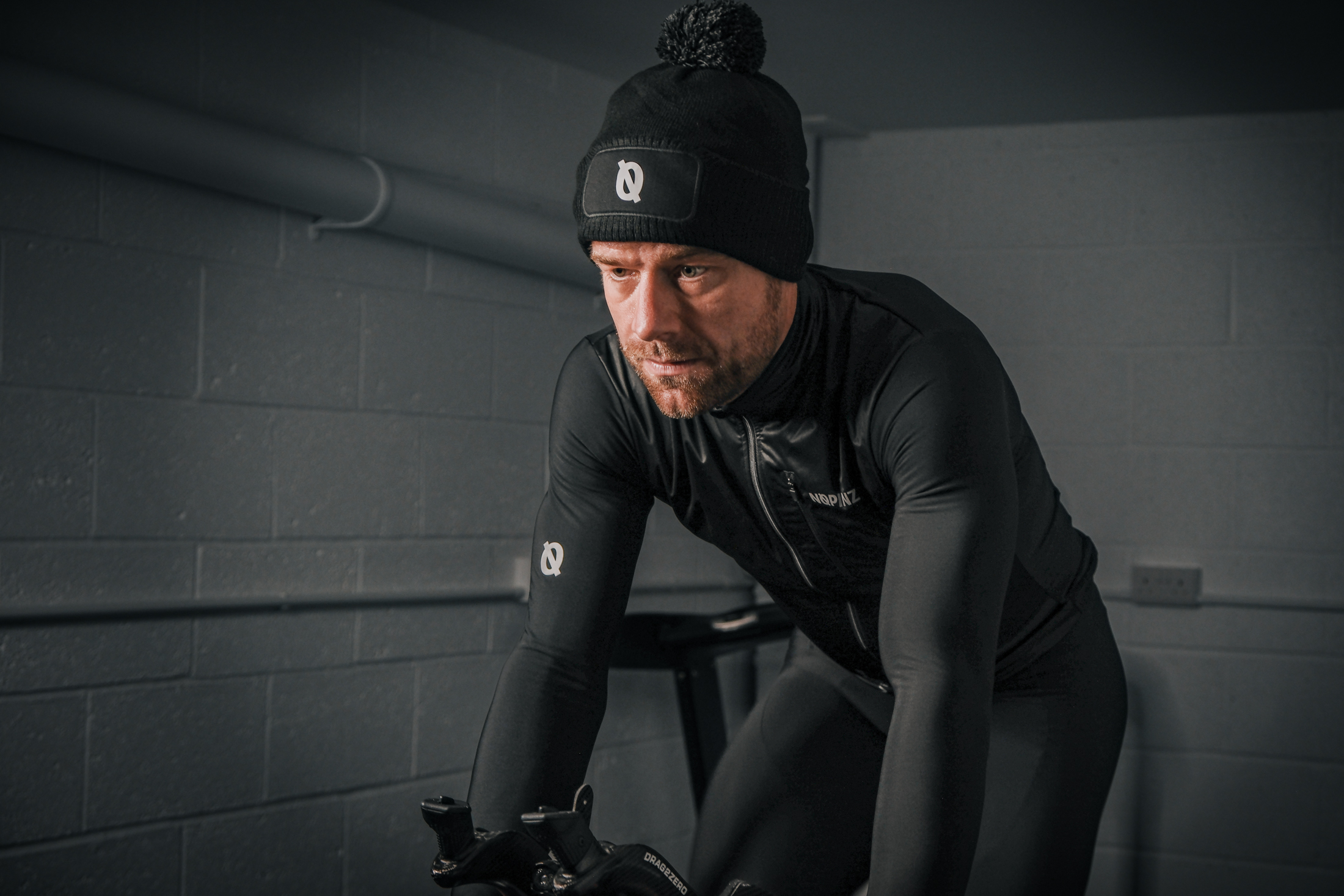
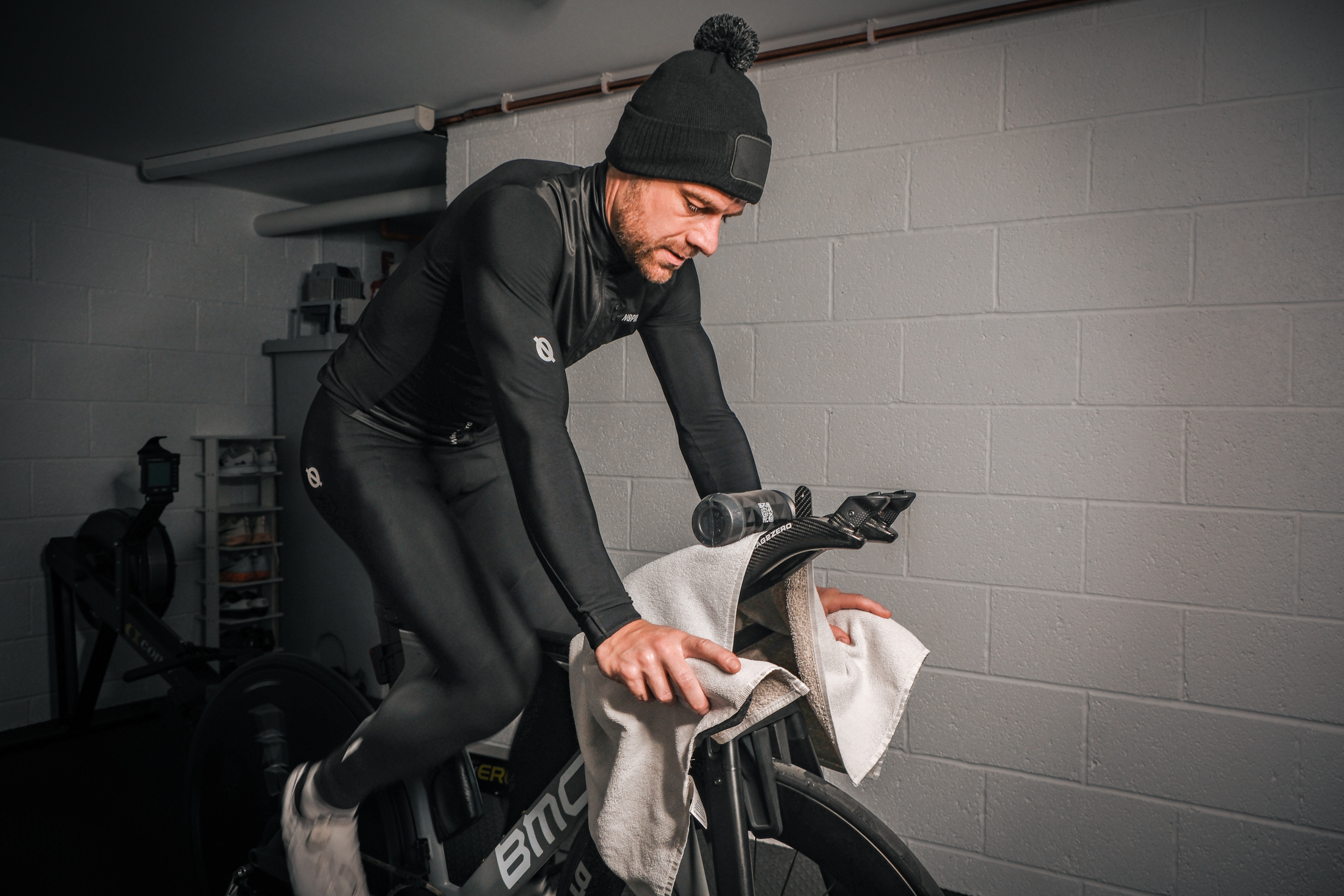
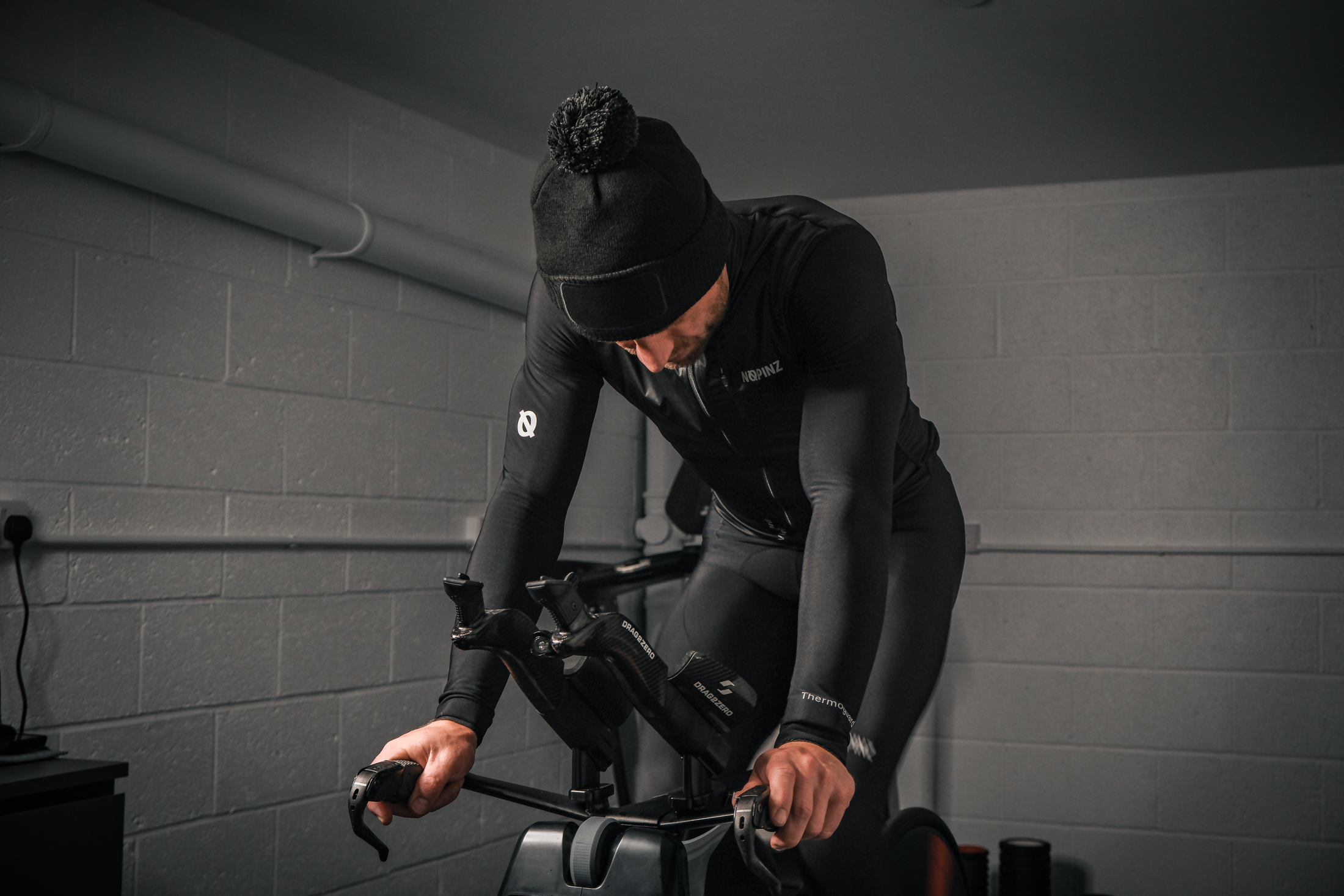
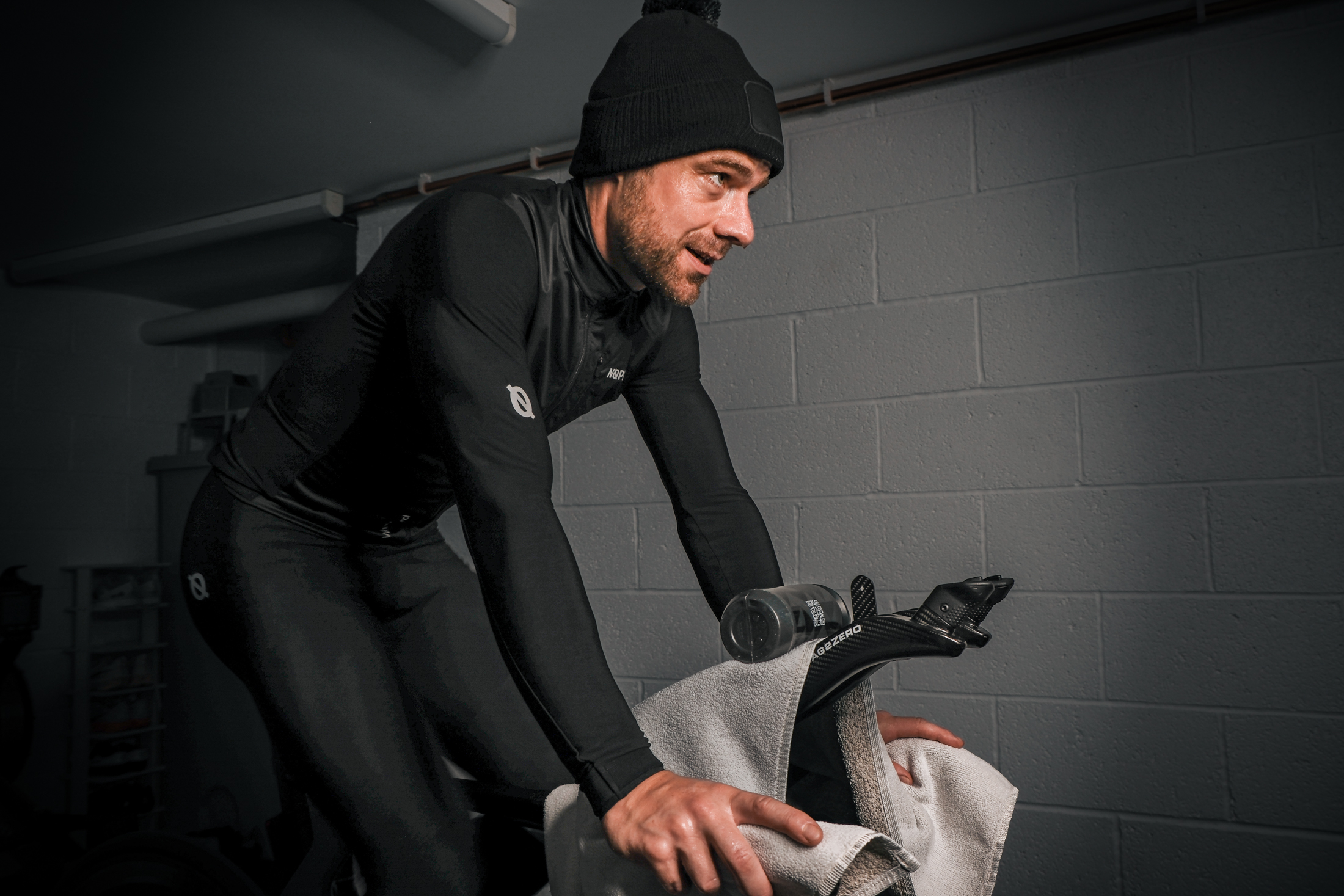
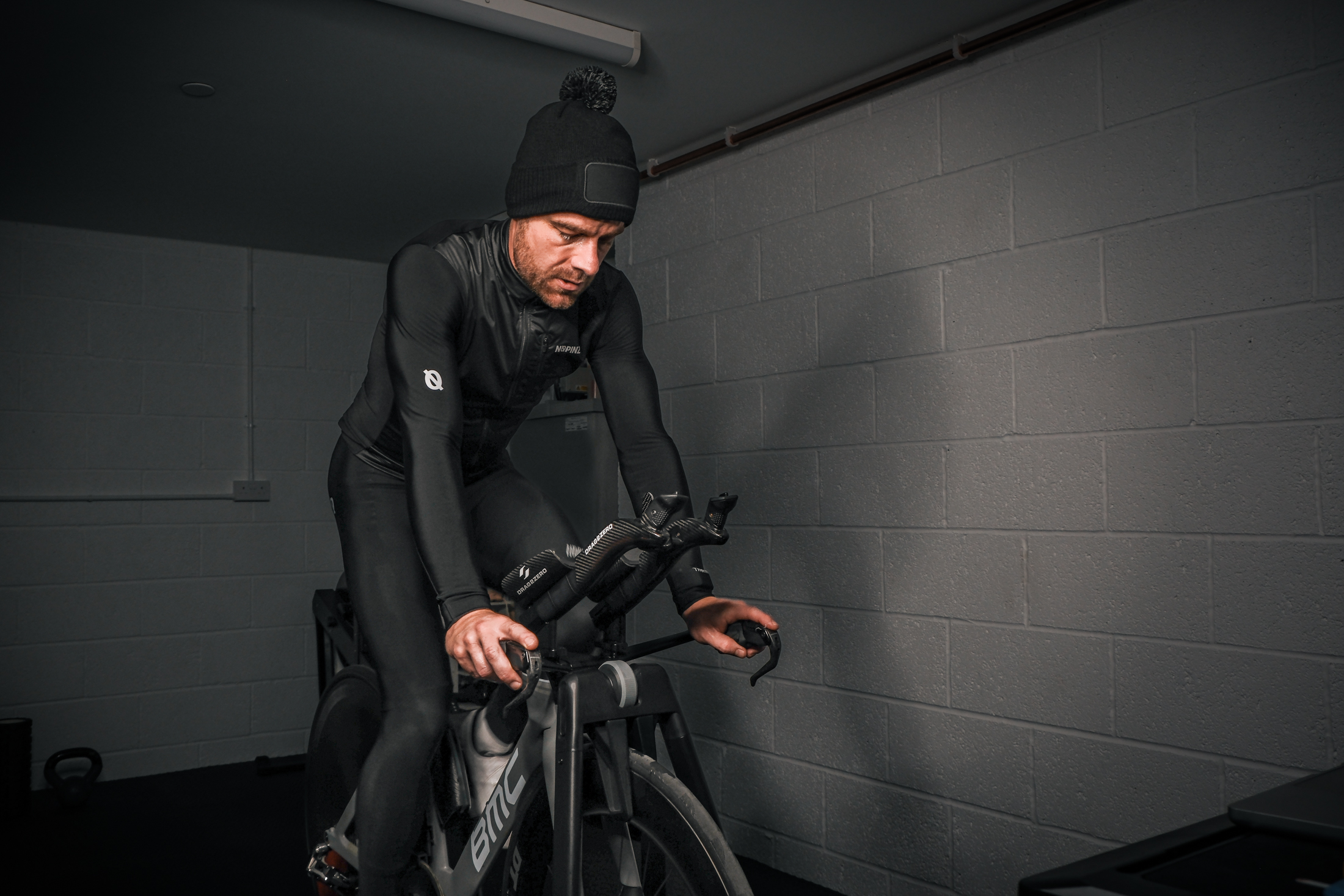
“On a basic level, if you’re a cyclist or triathlete you can simply ride indoors without a fan wearing what you would normally,” says Beer. “If you’re a little more hardcore, do so dressed in your winter riding wardrobe.”
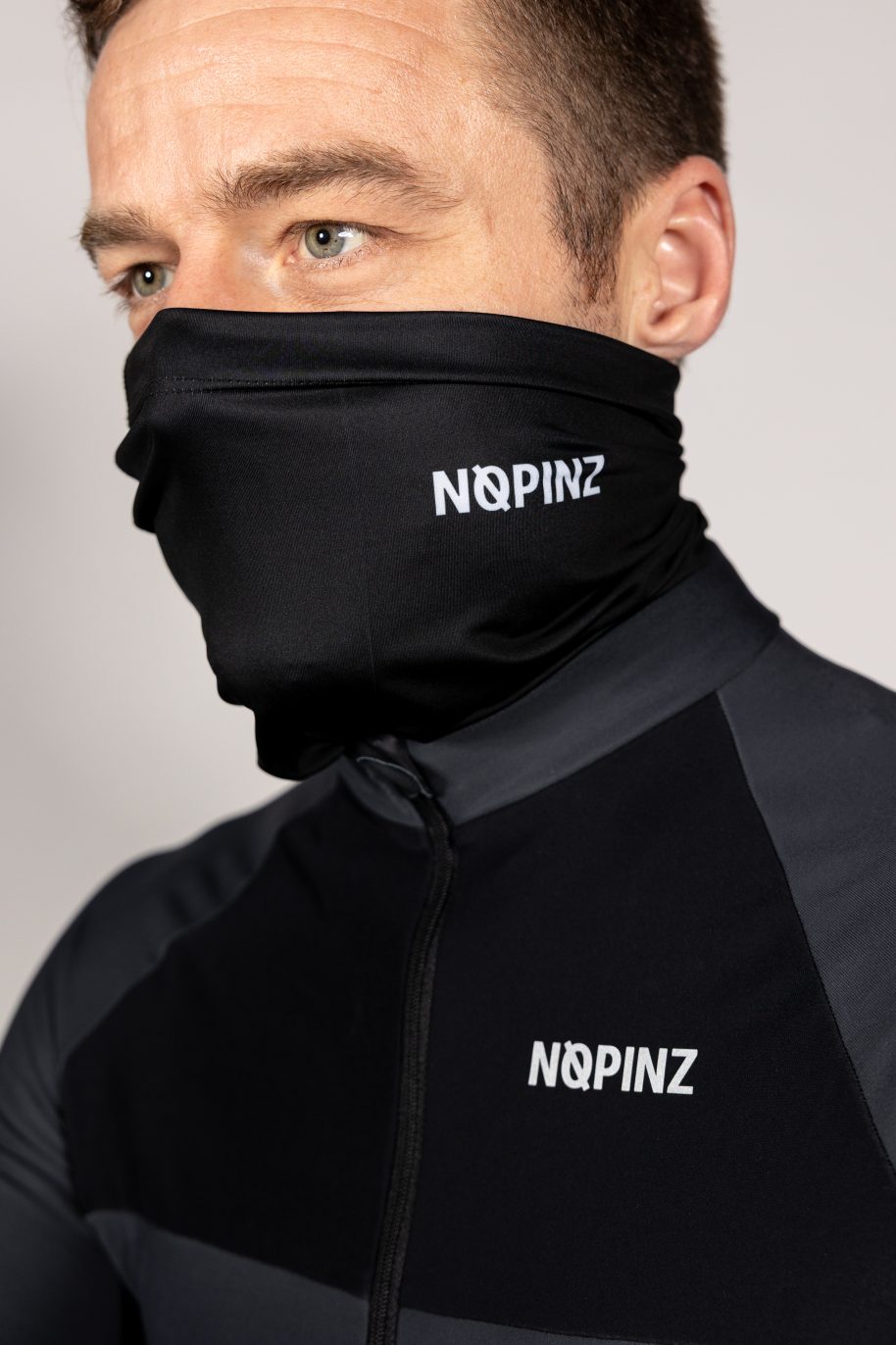
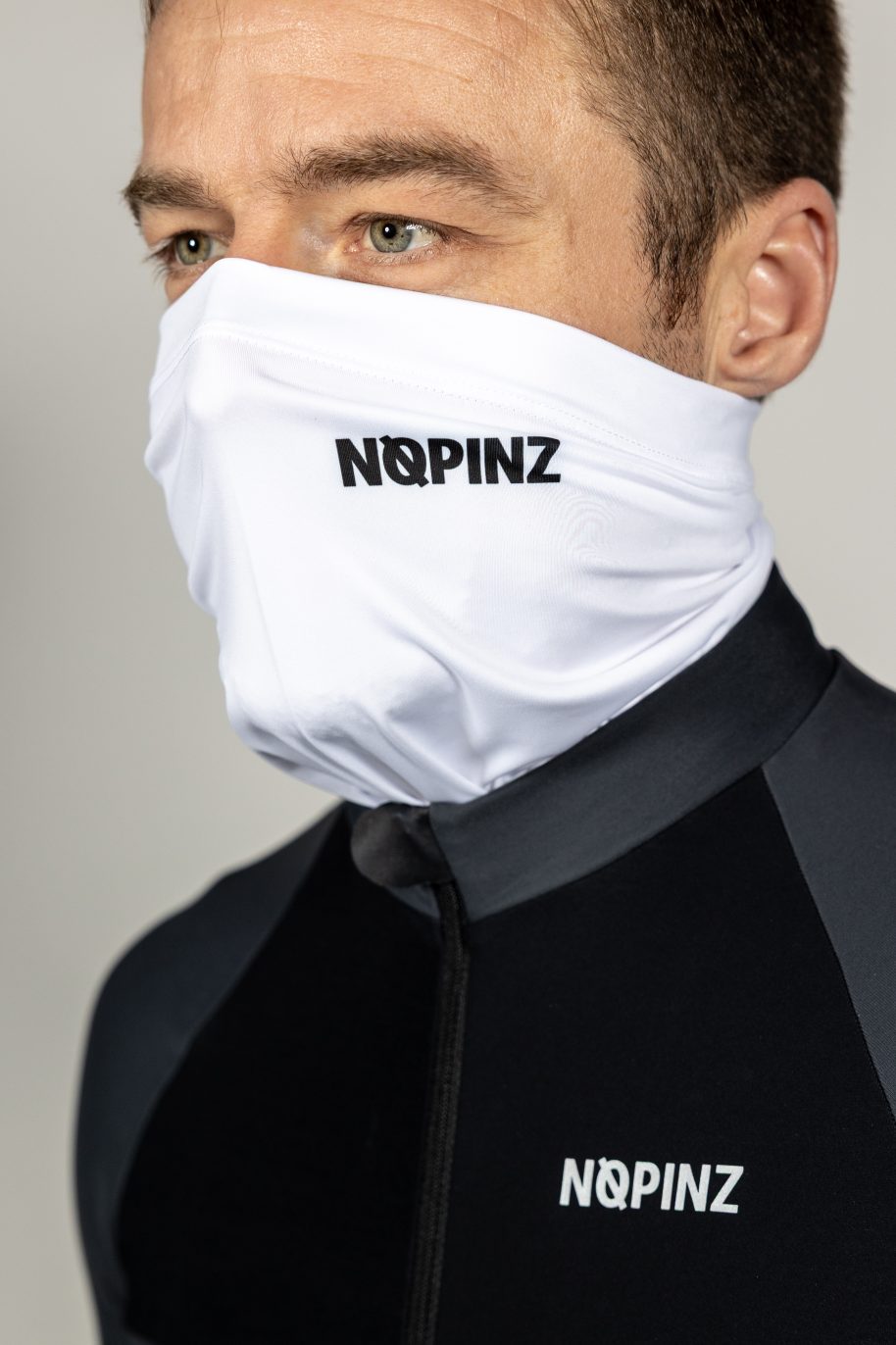
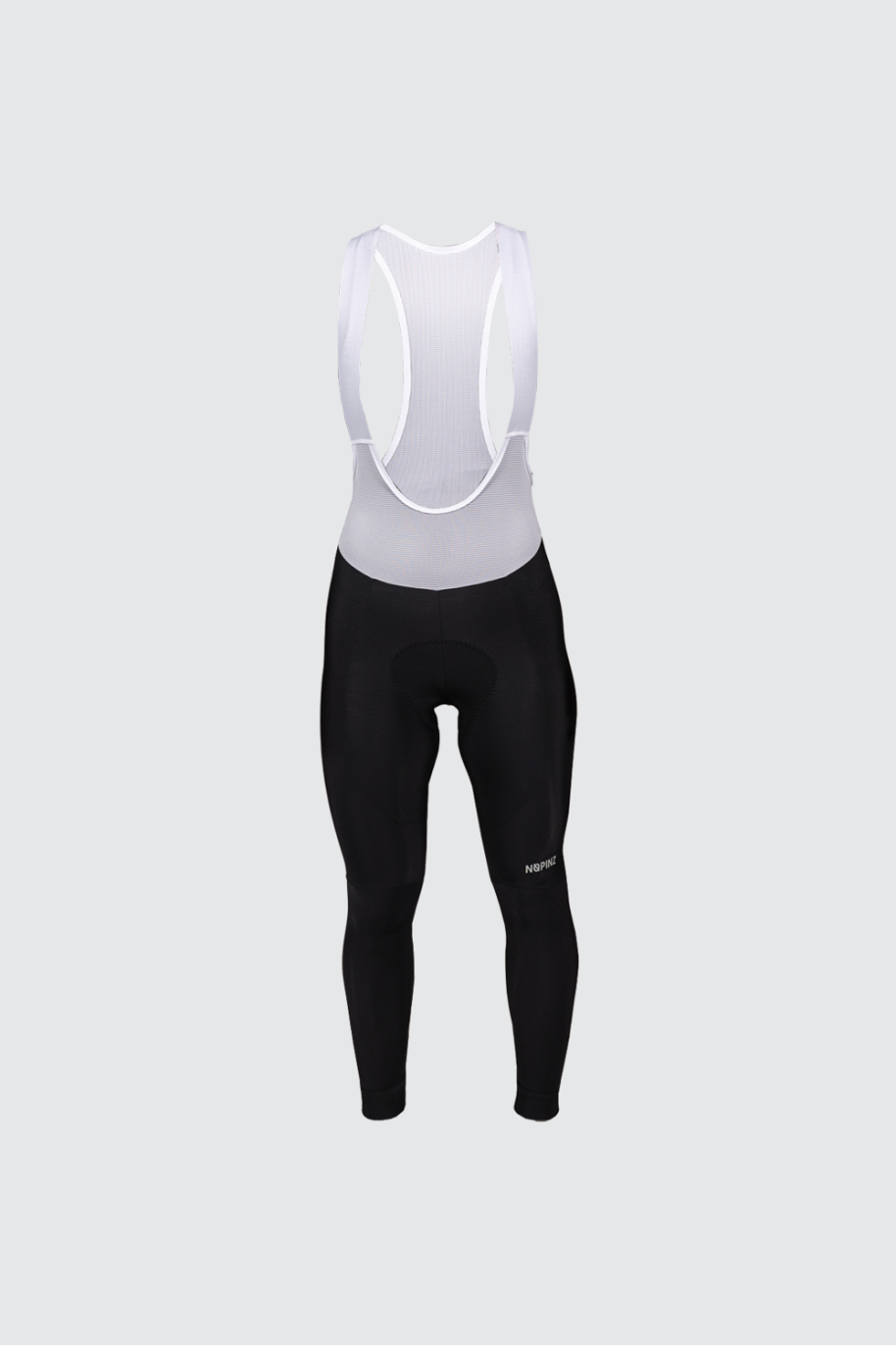
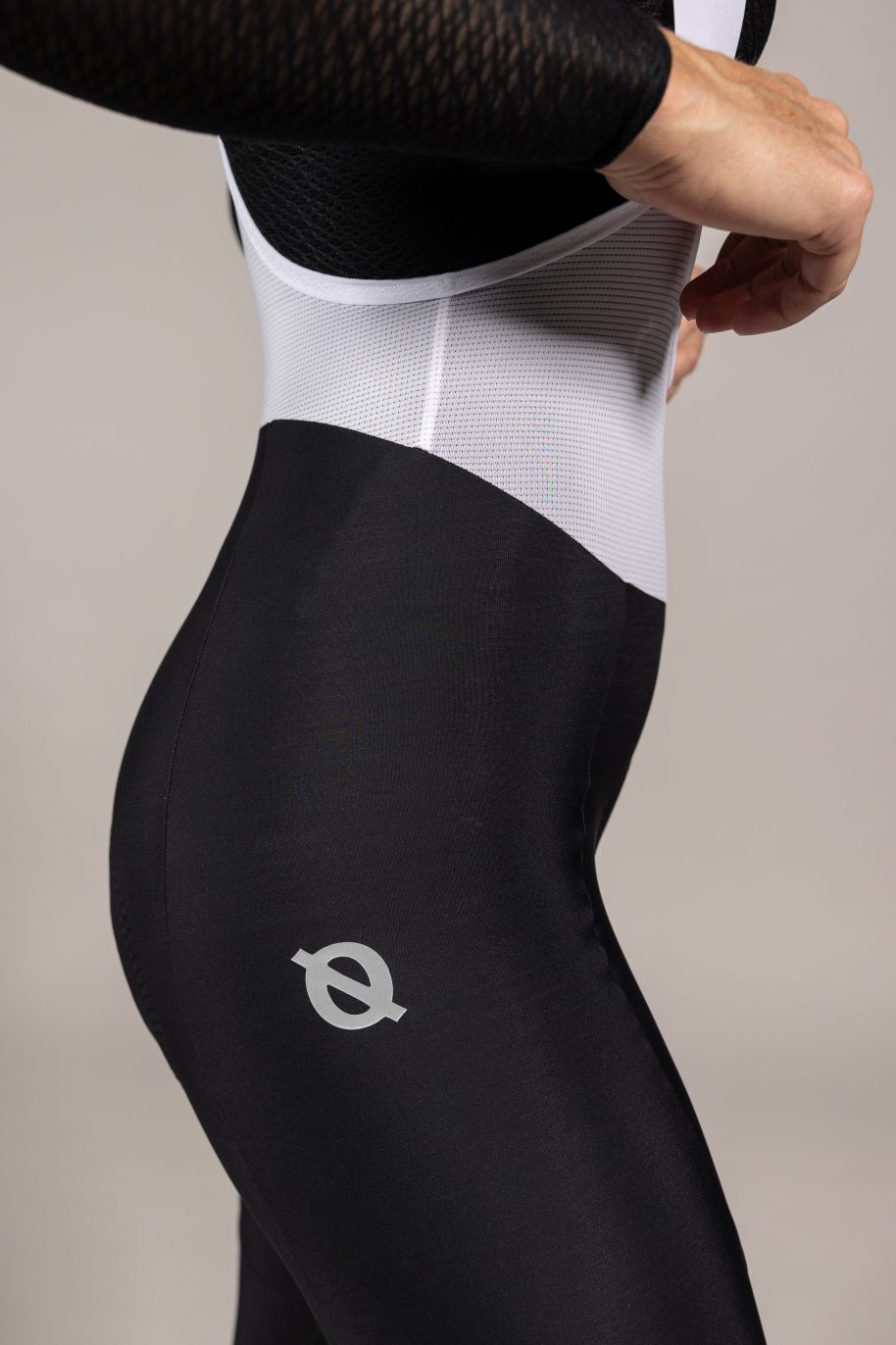
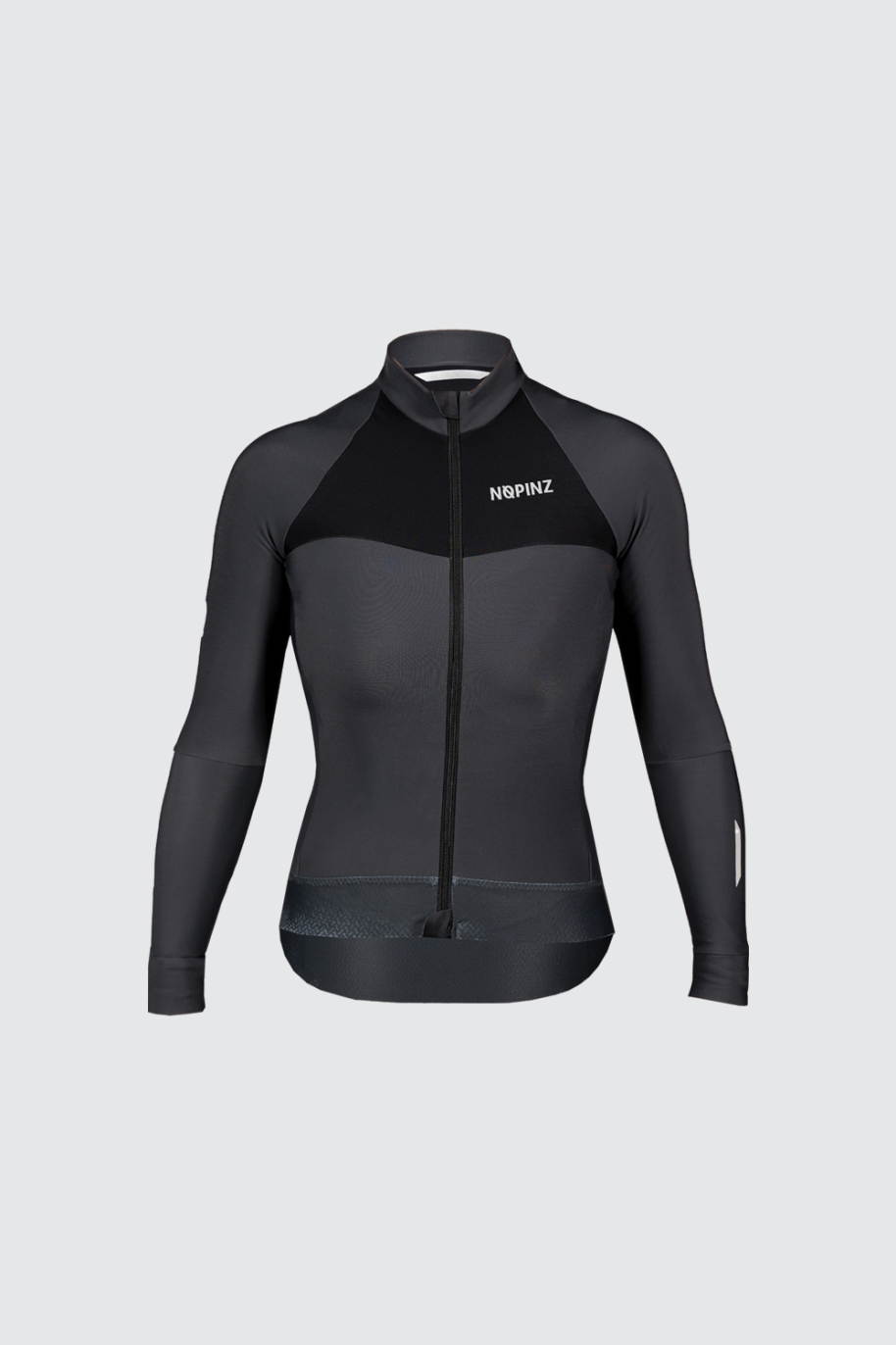
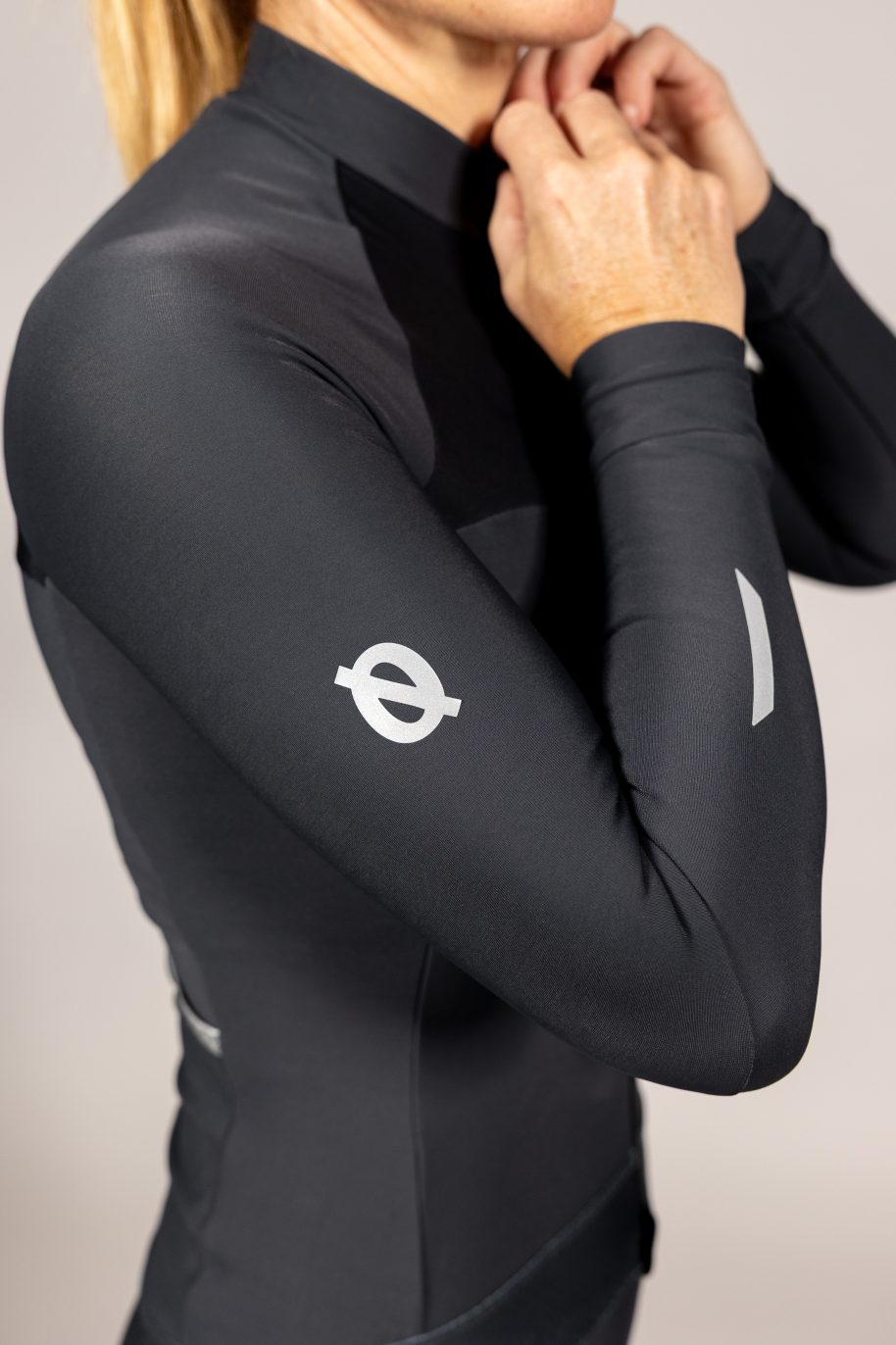
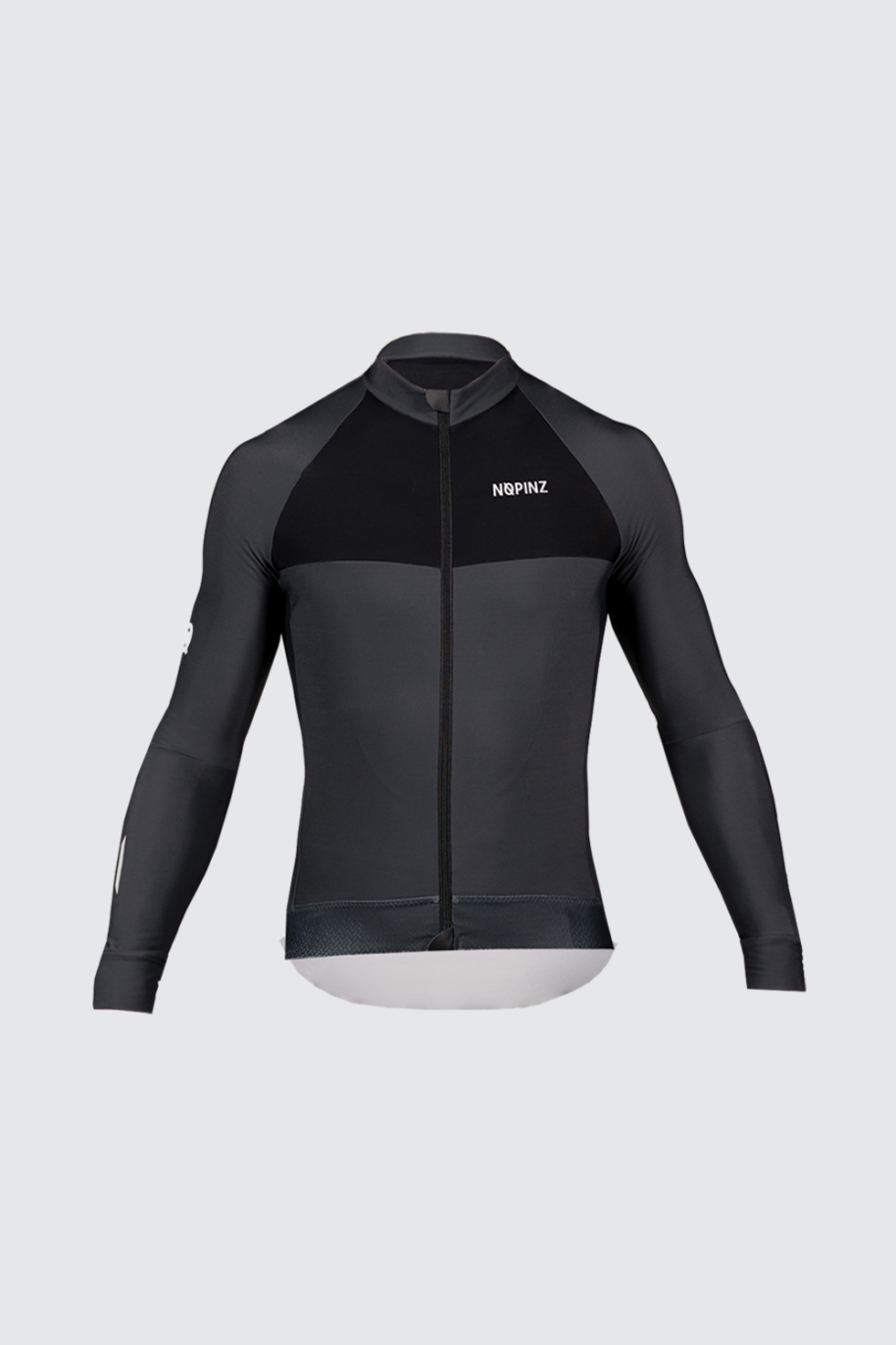
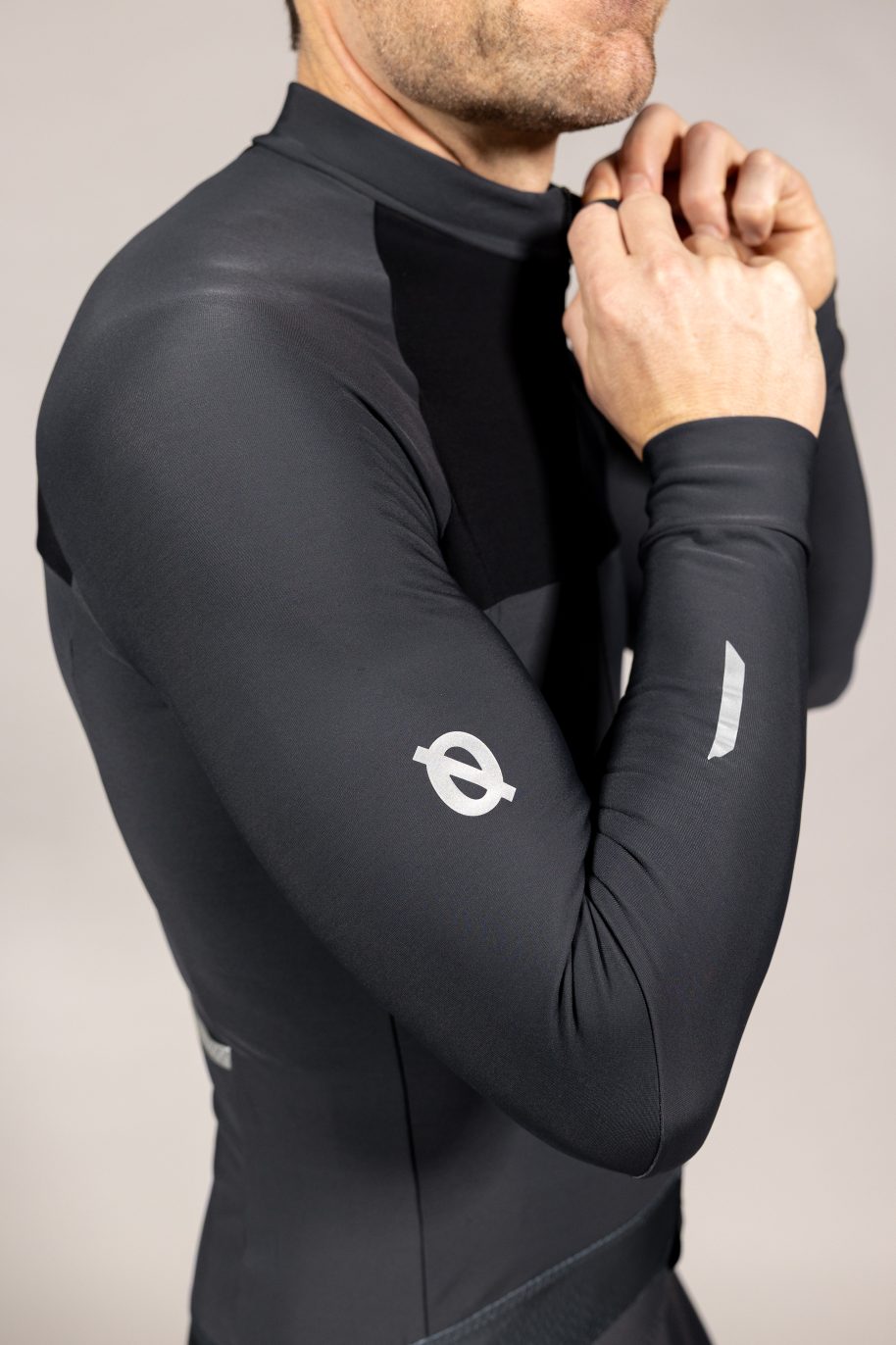
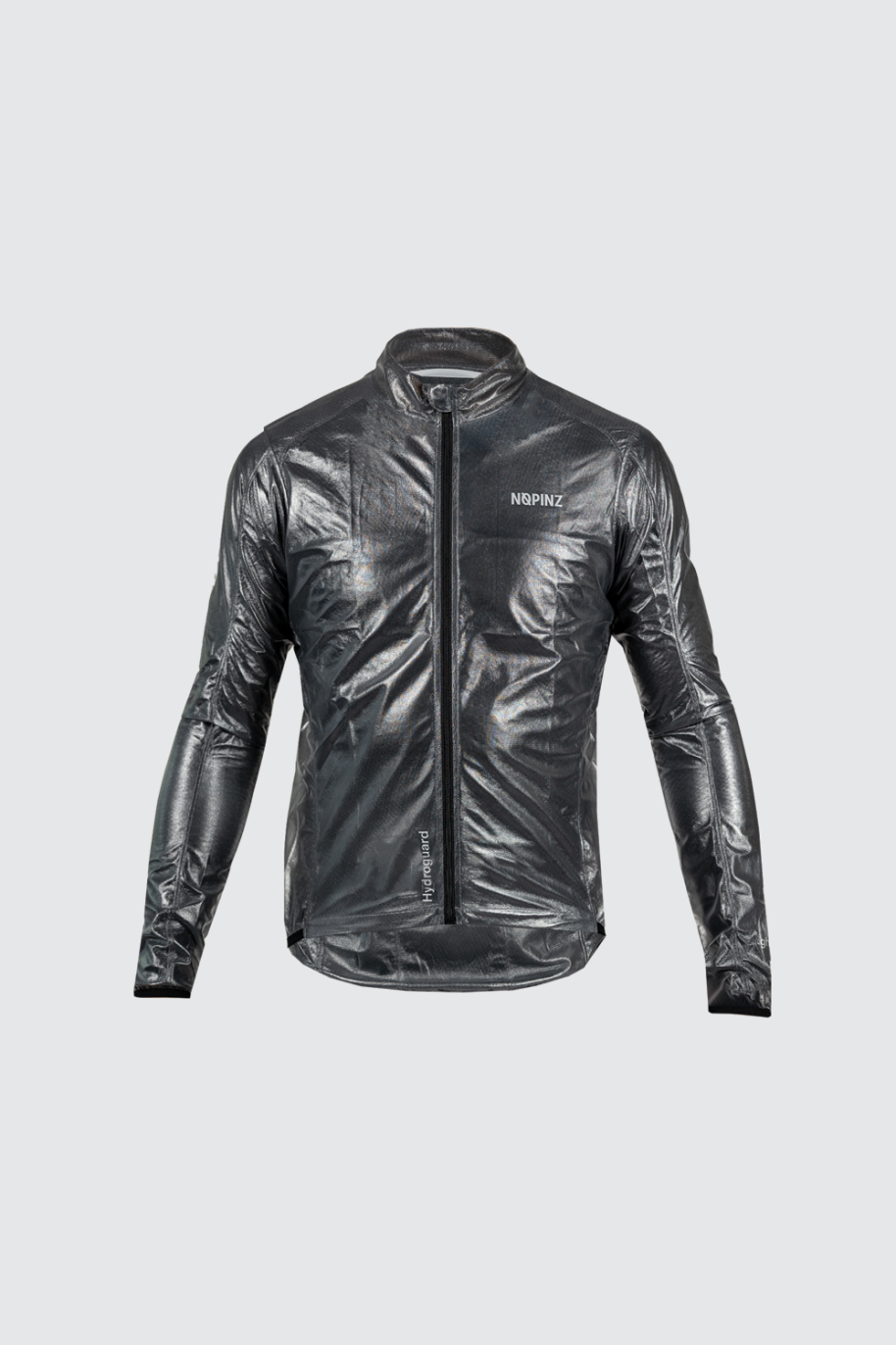
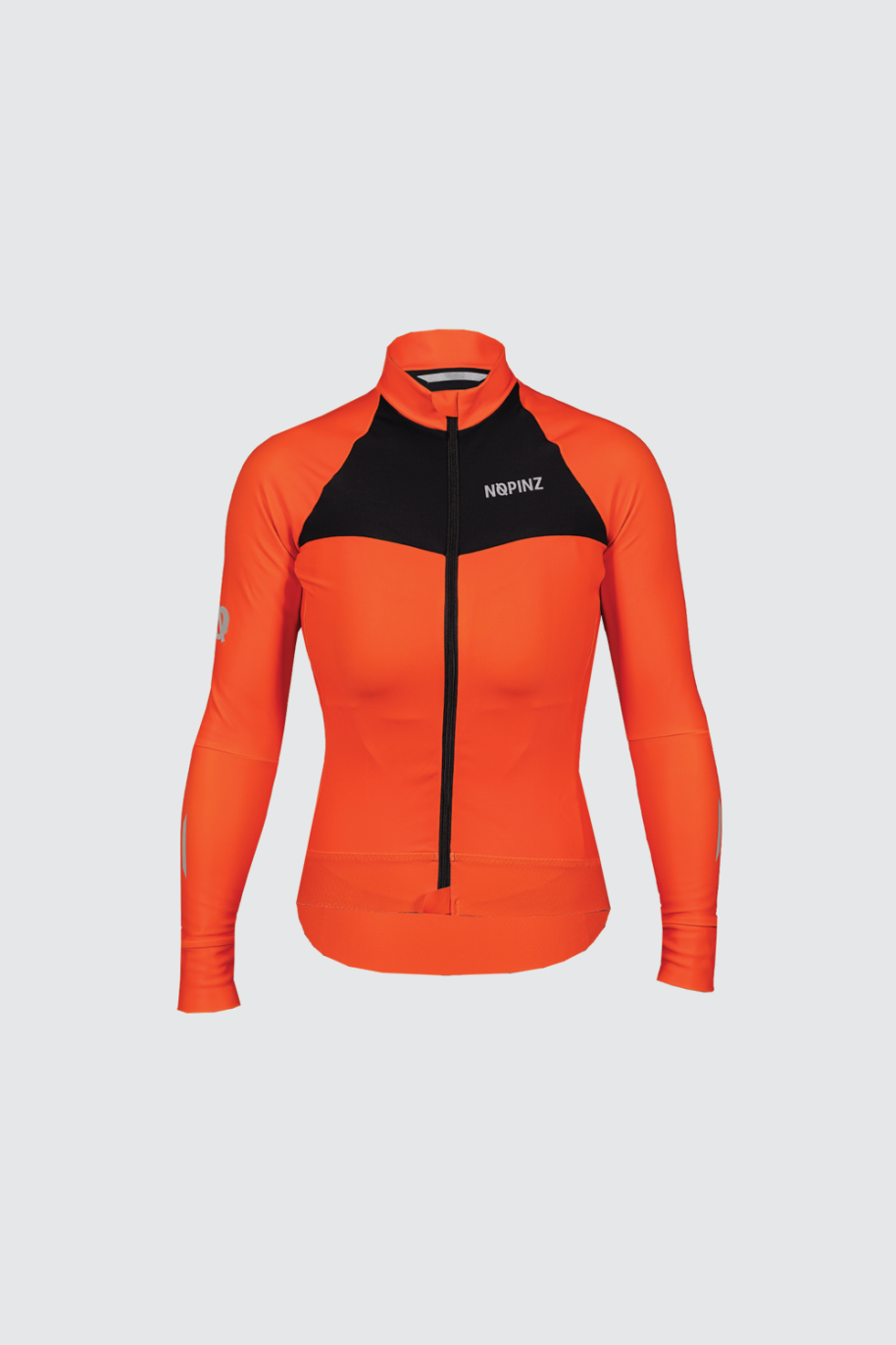
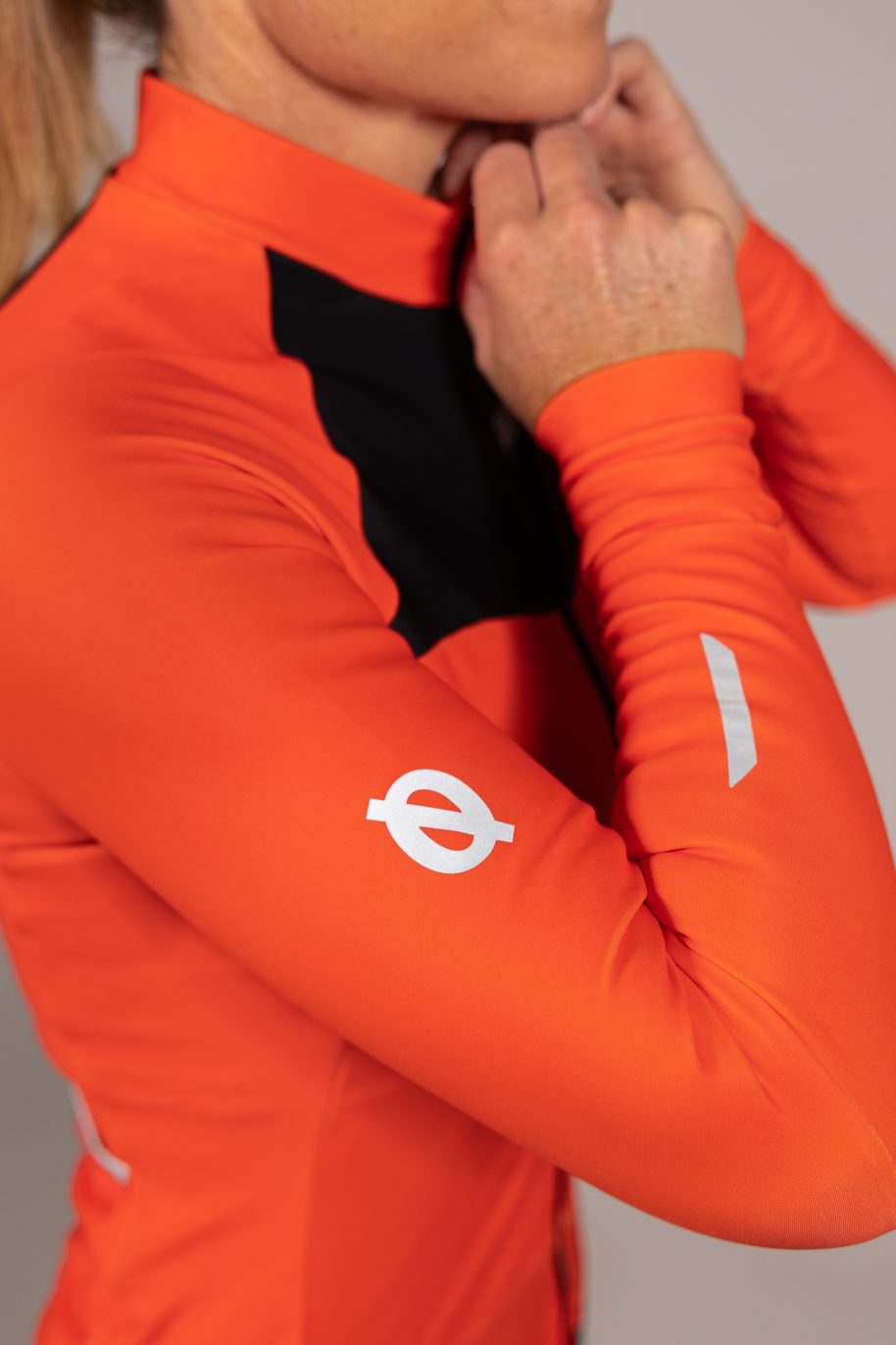
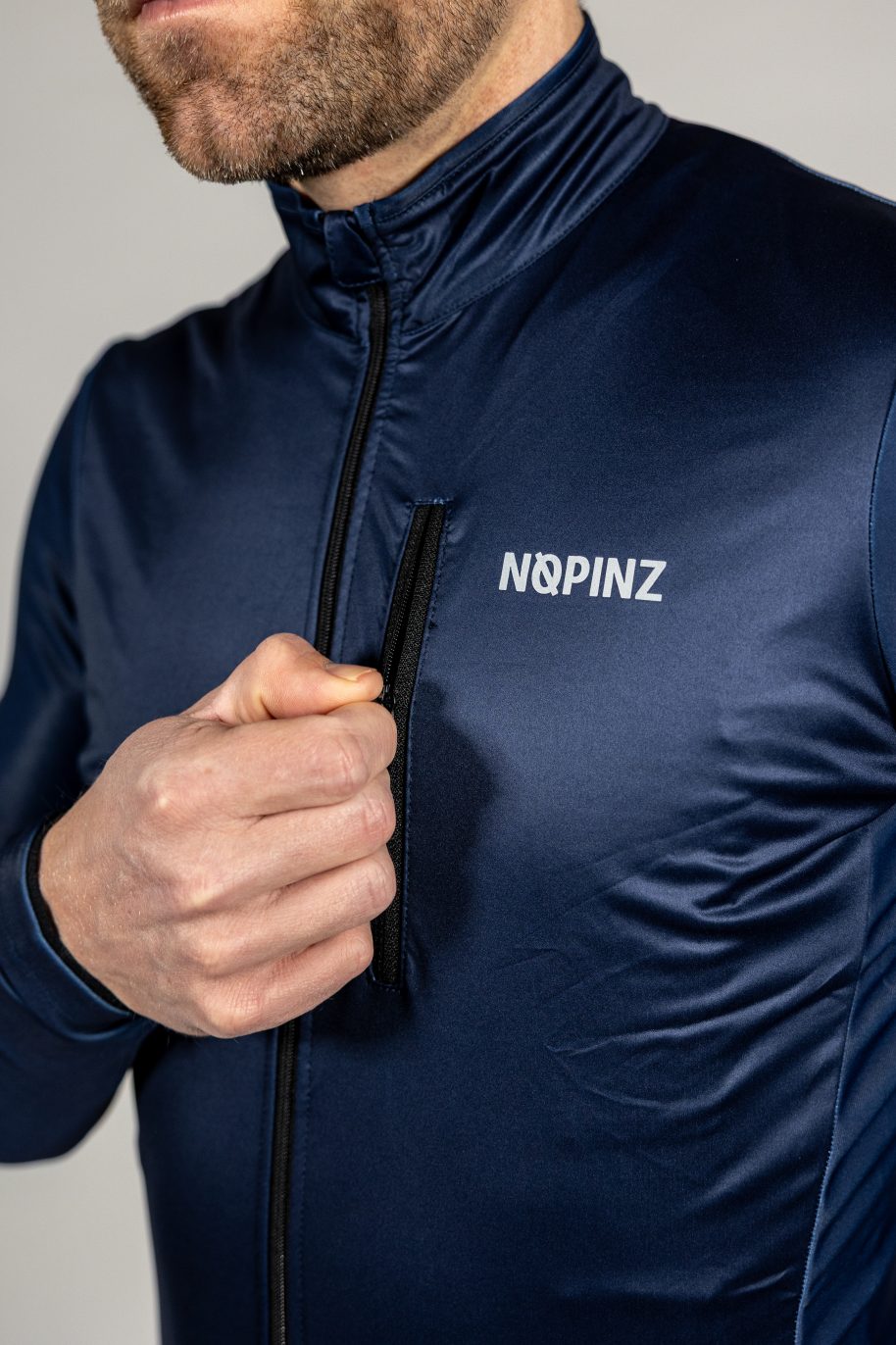
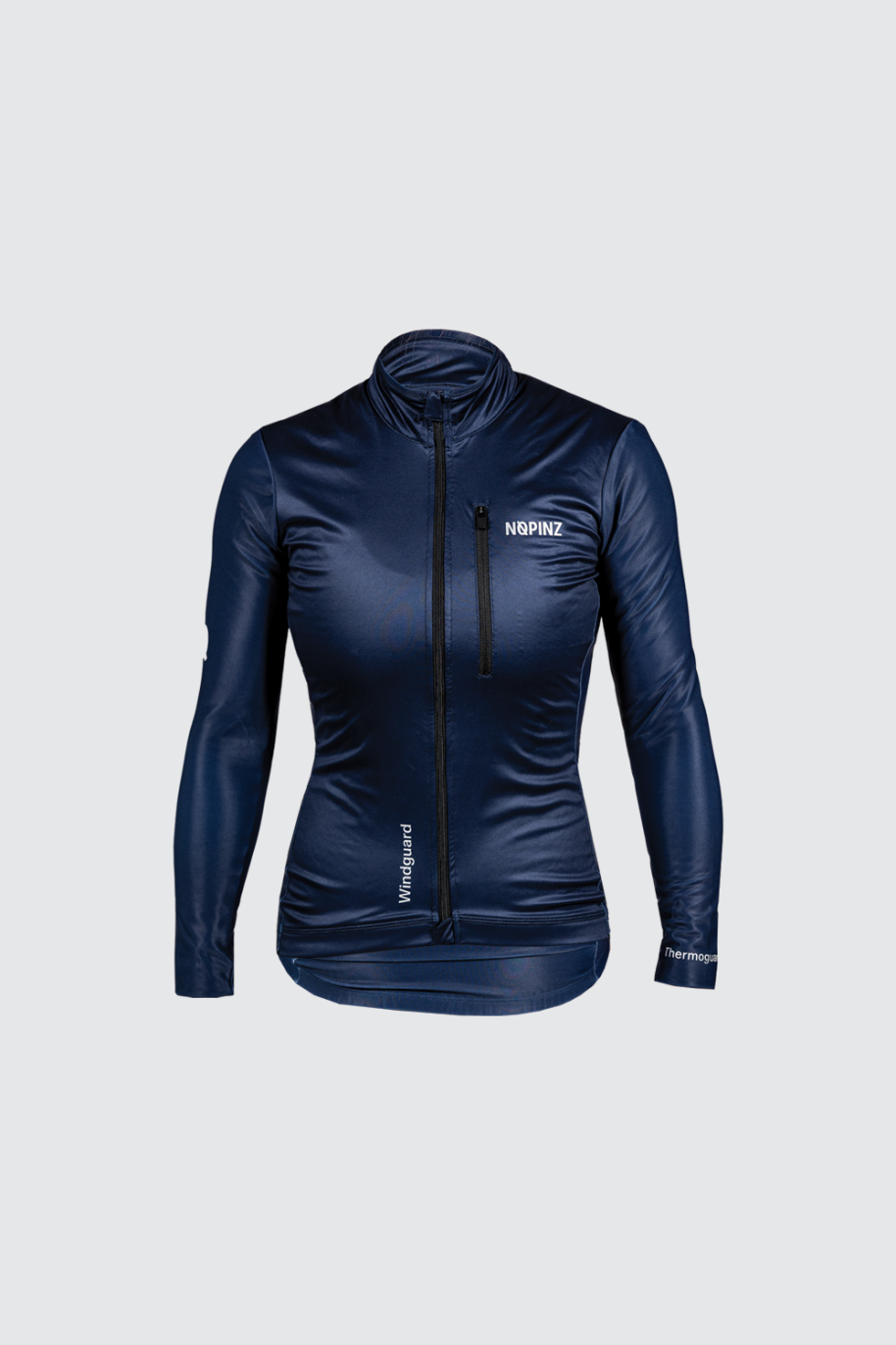
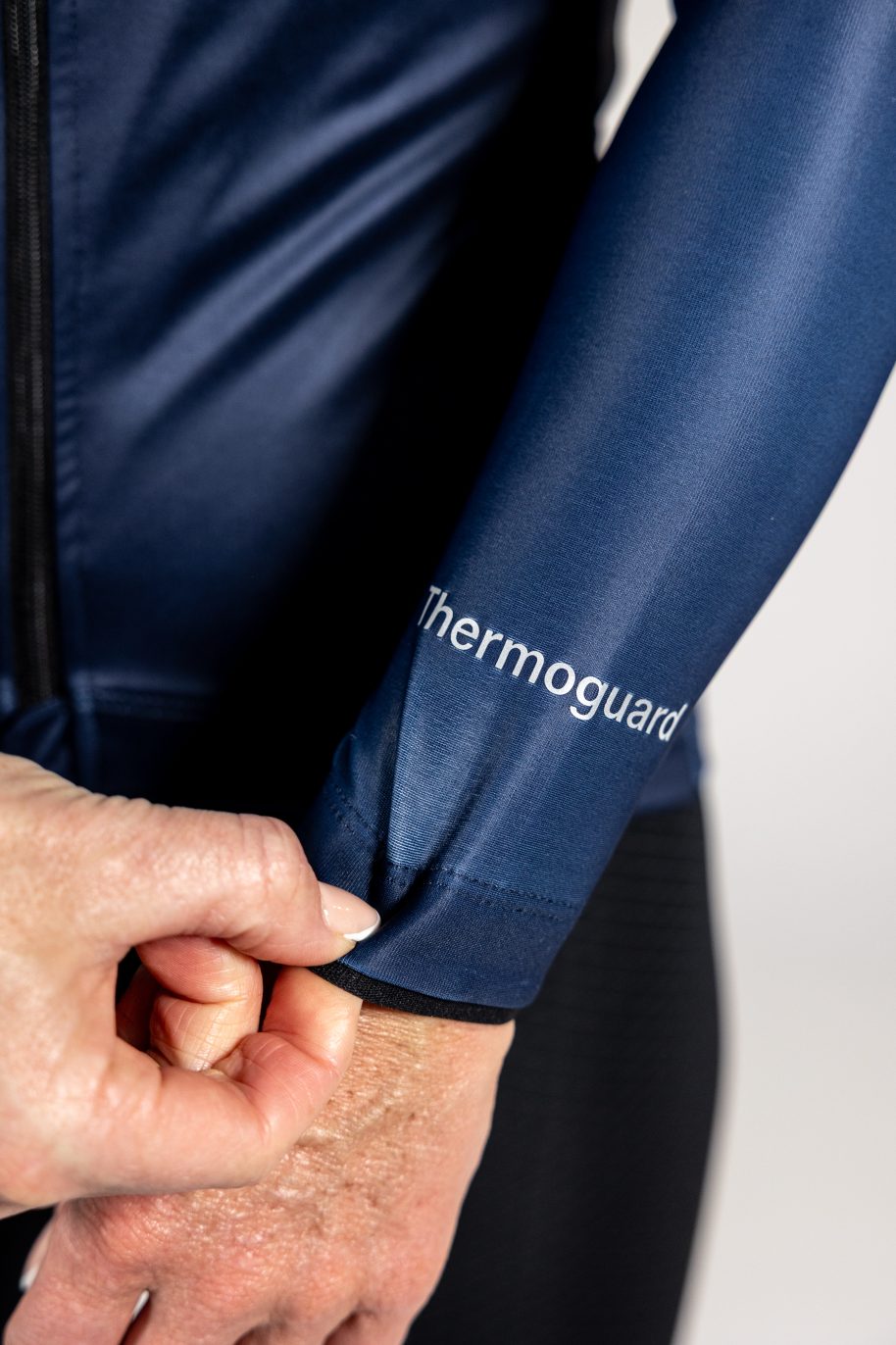
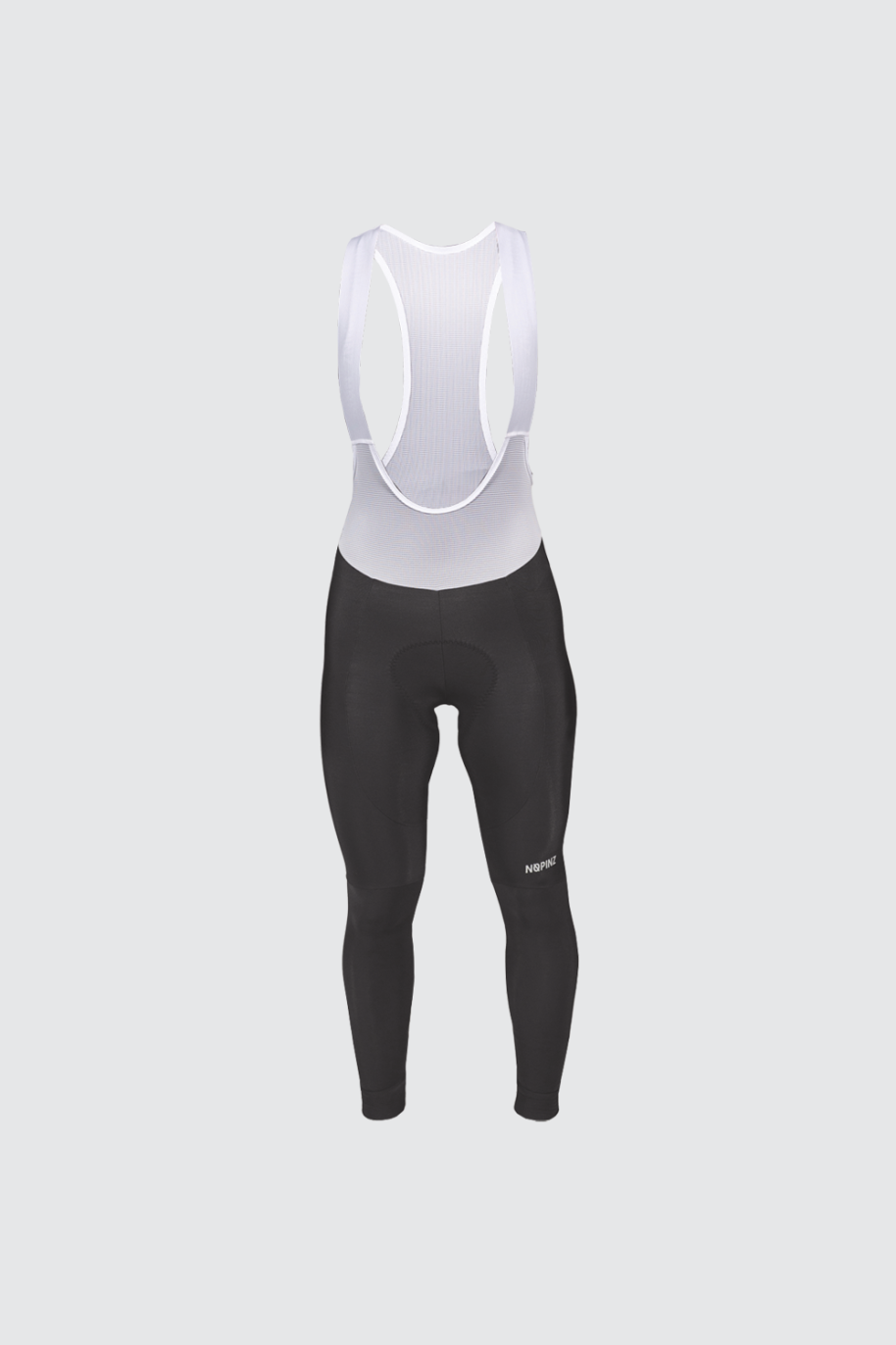
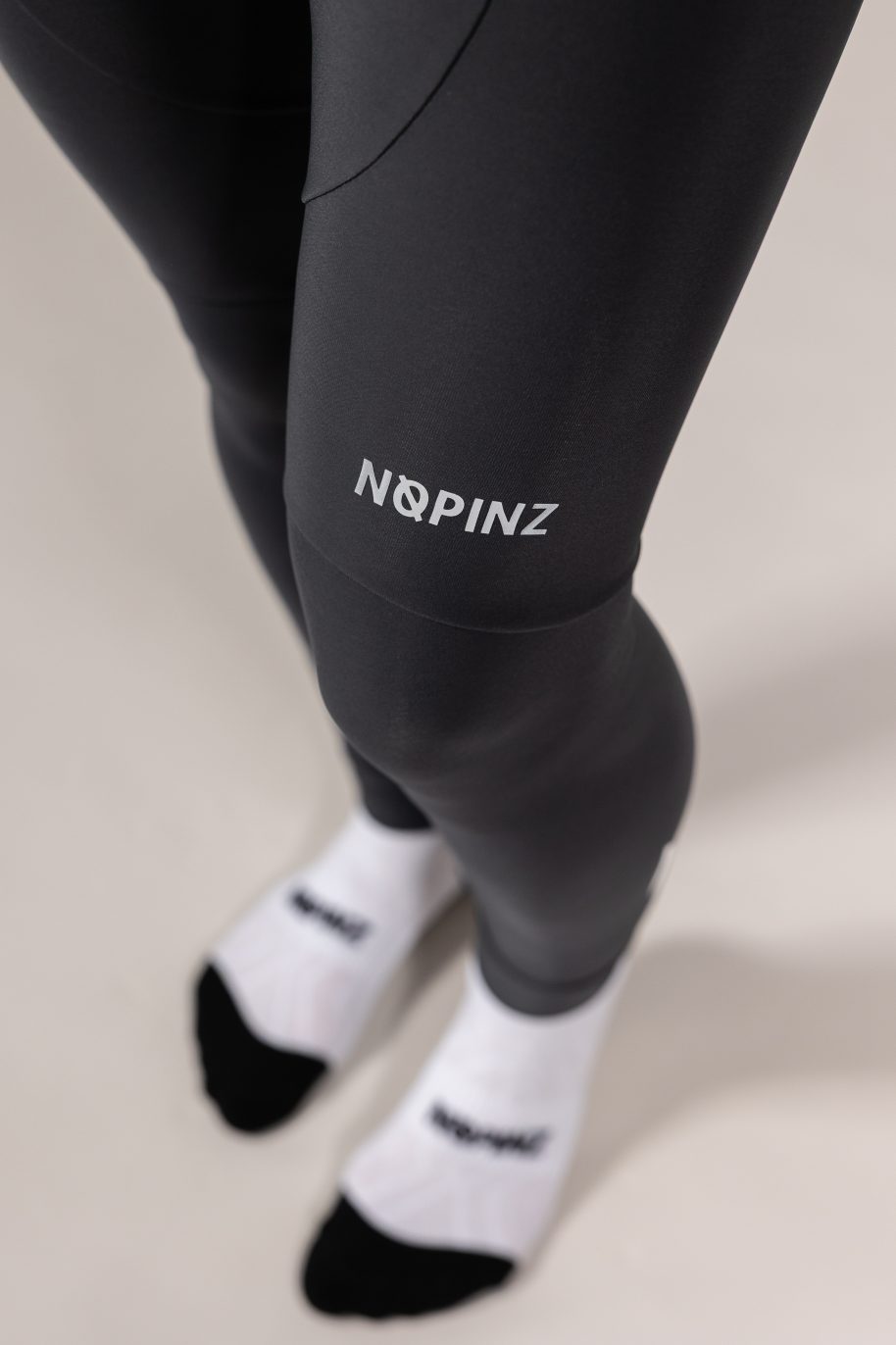
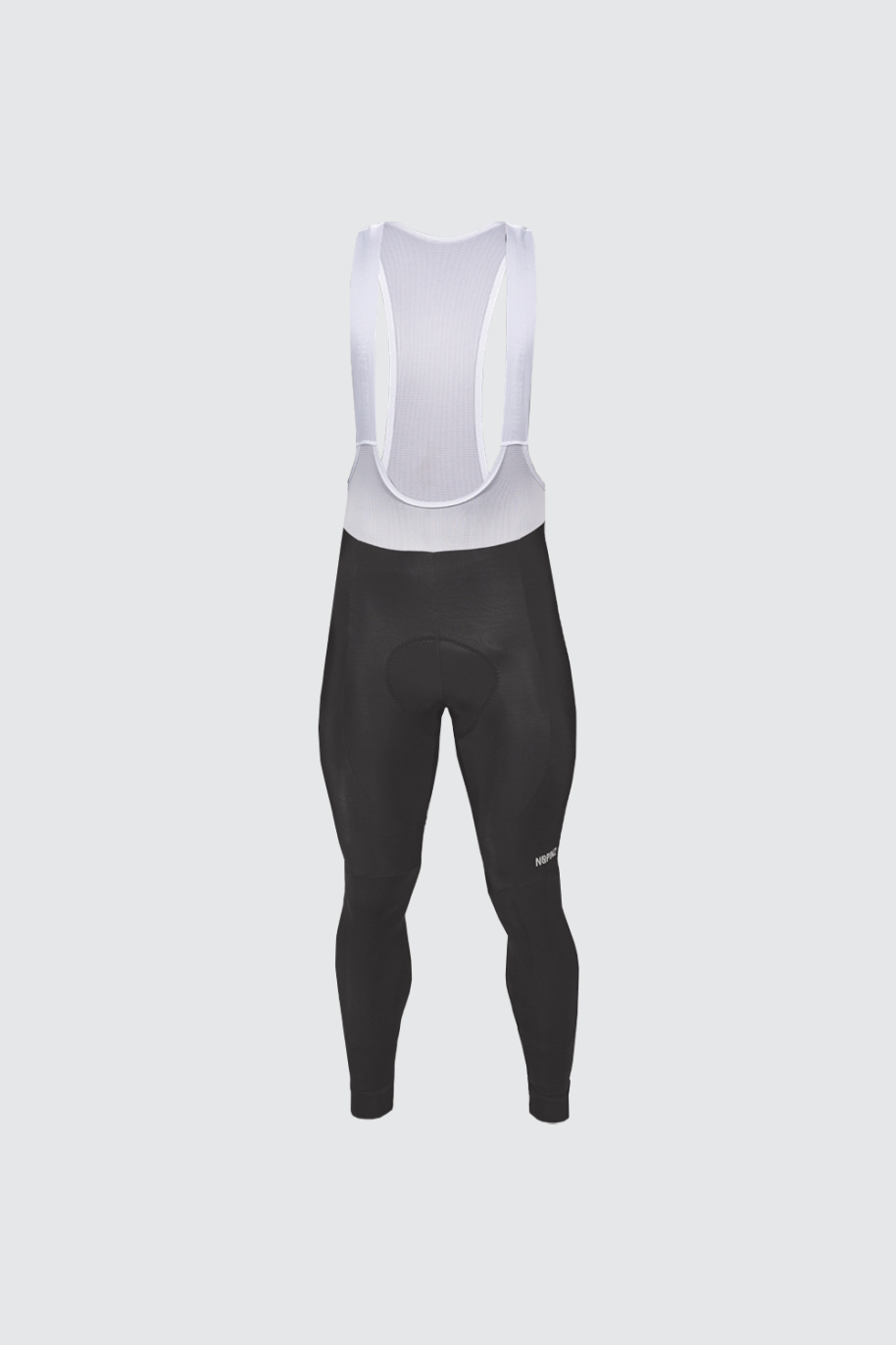
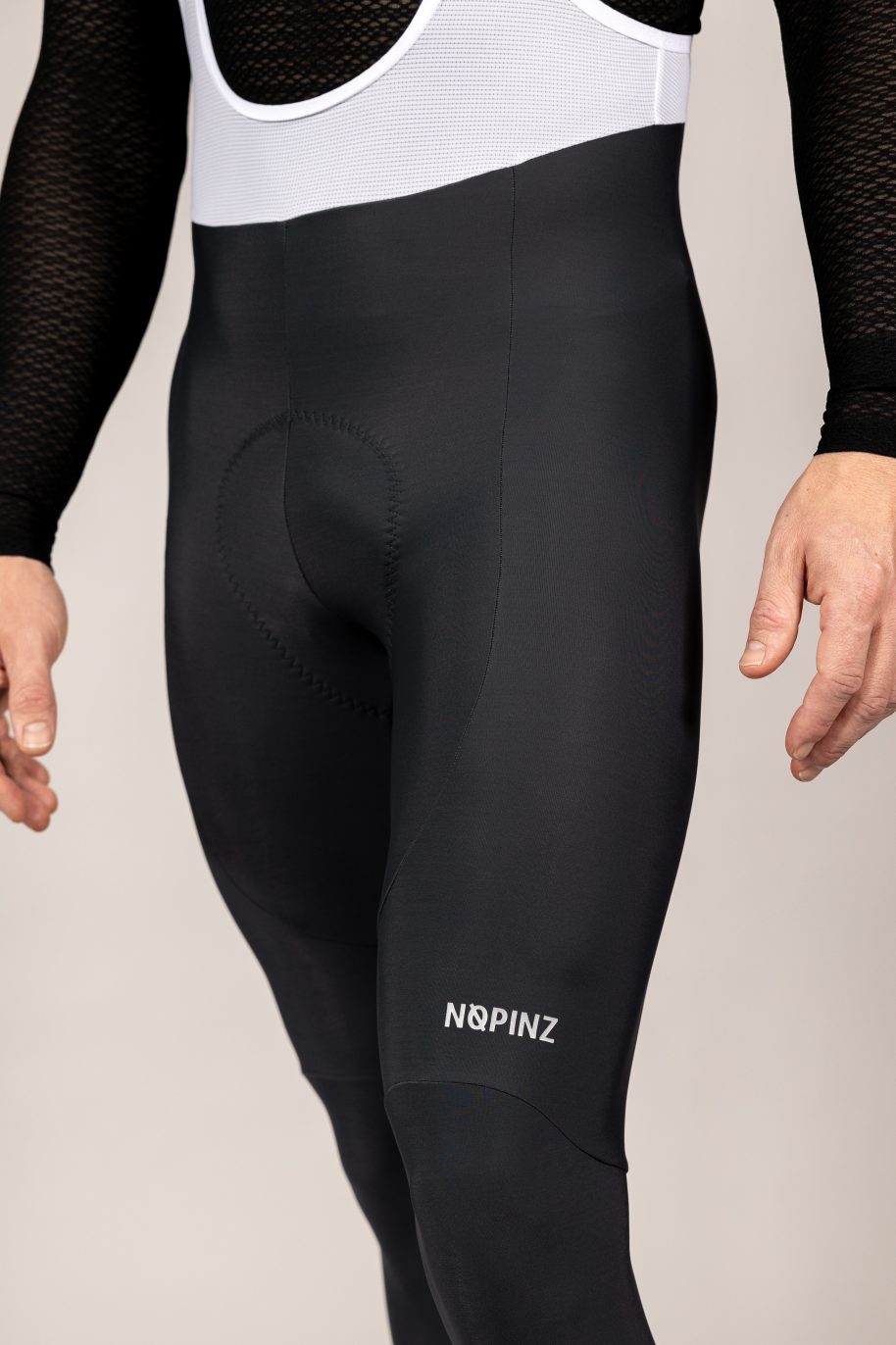
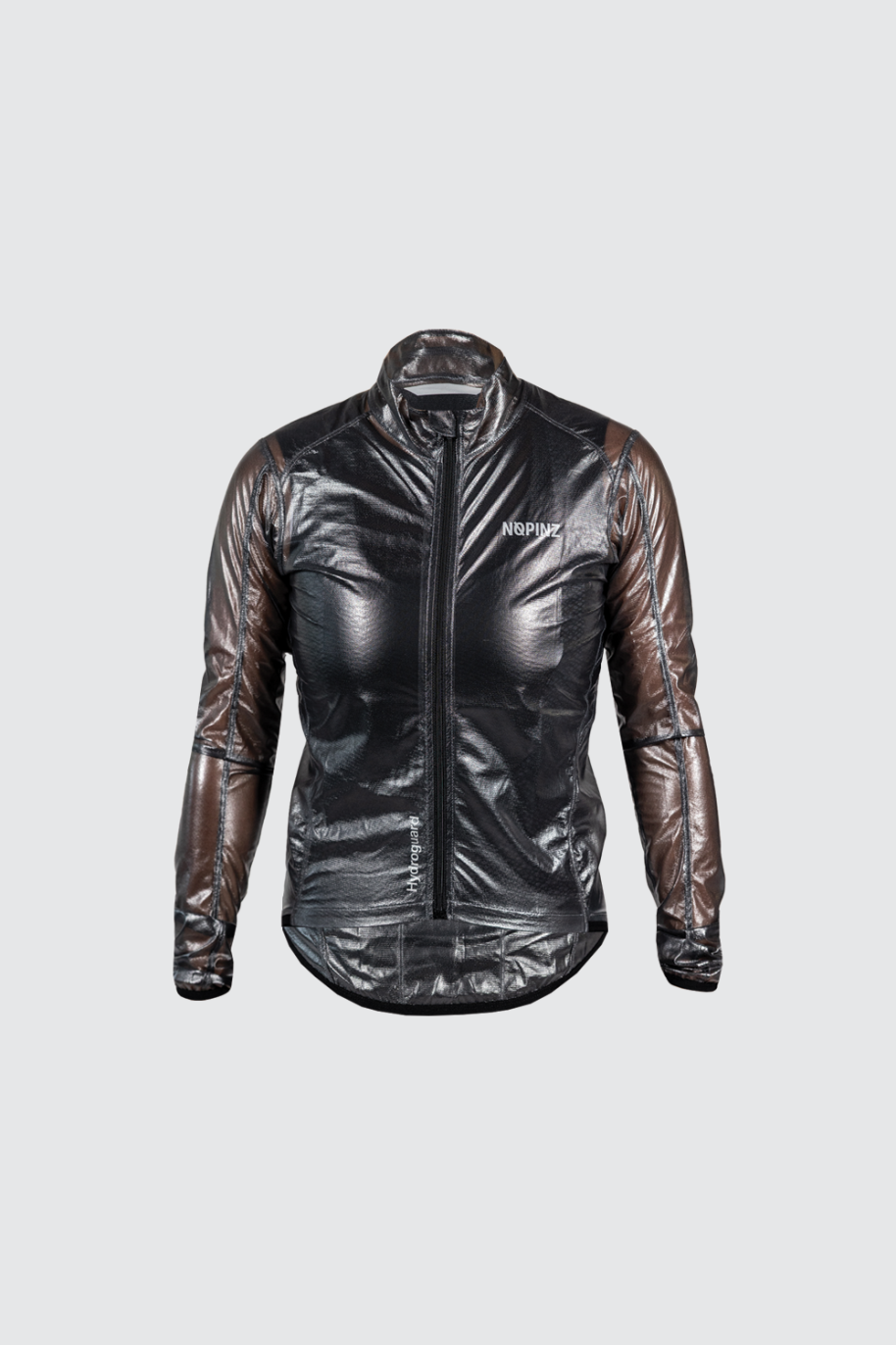
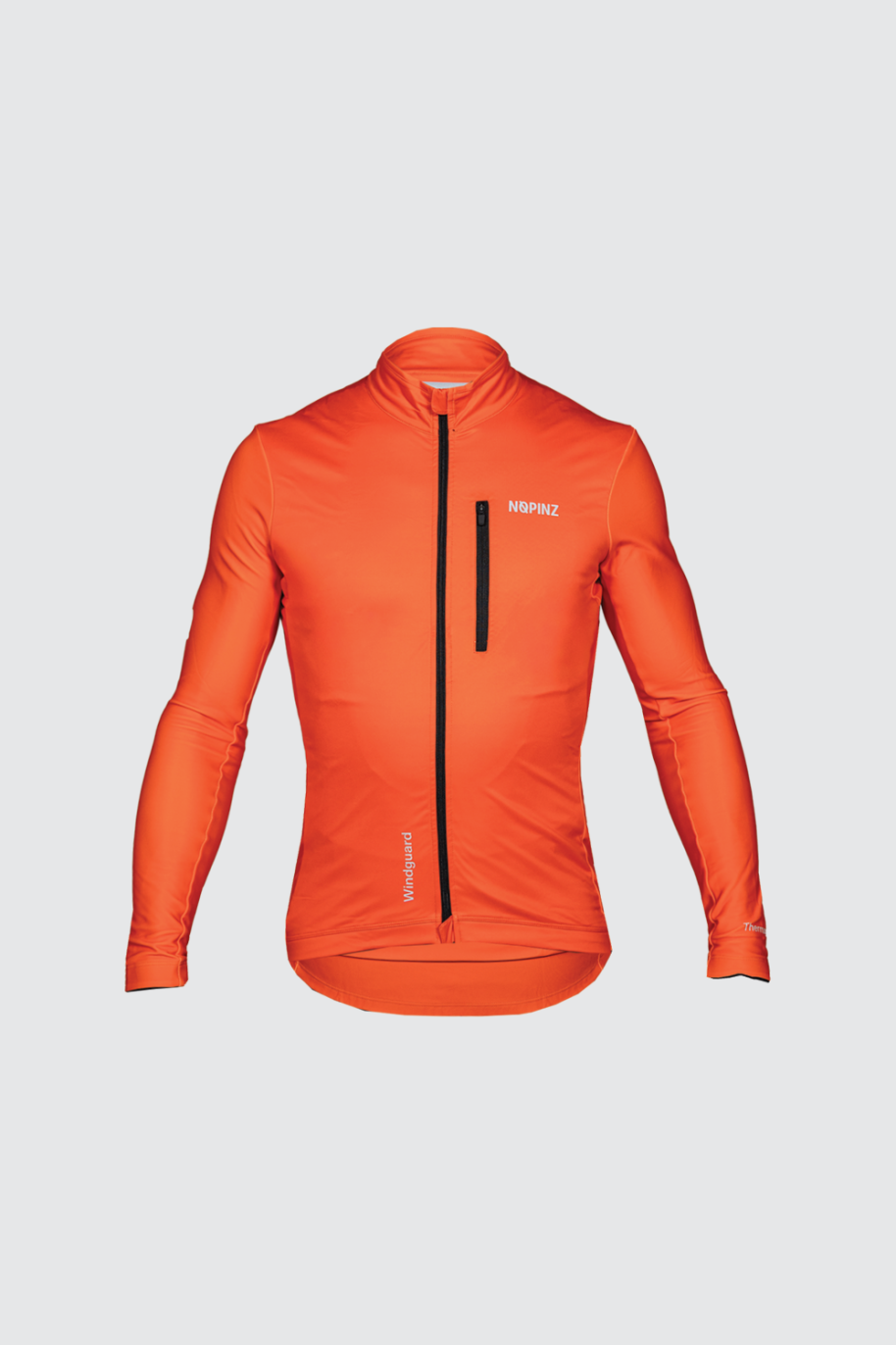
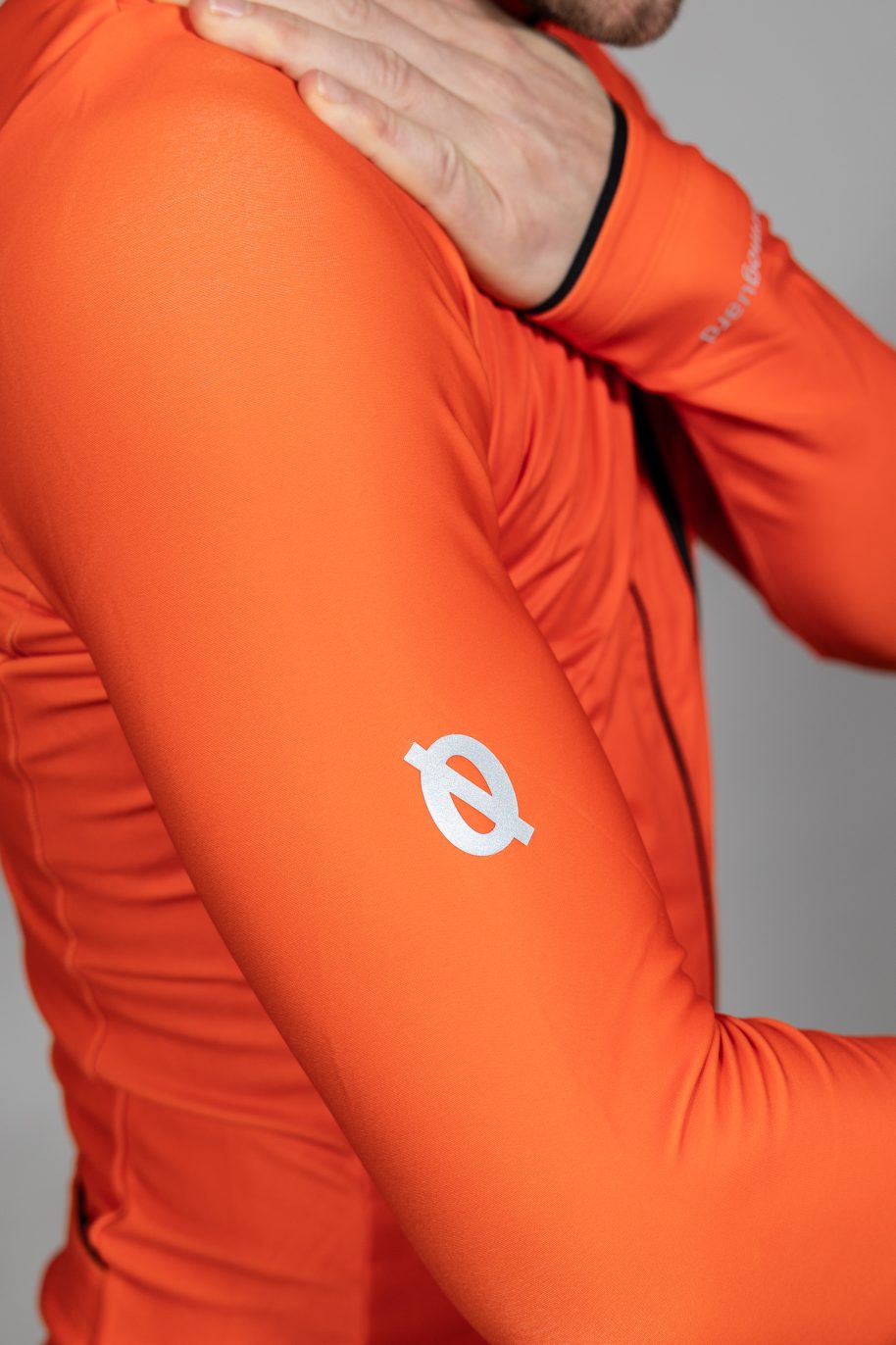
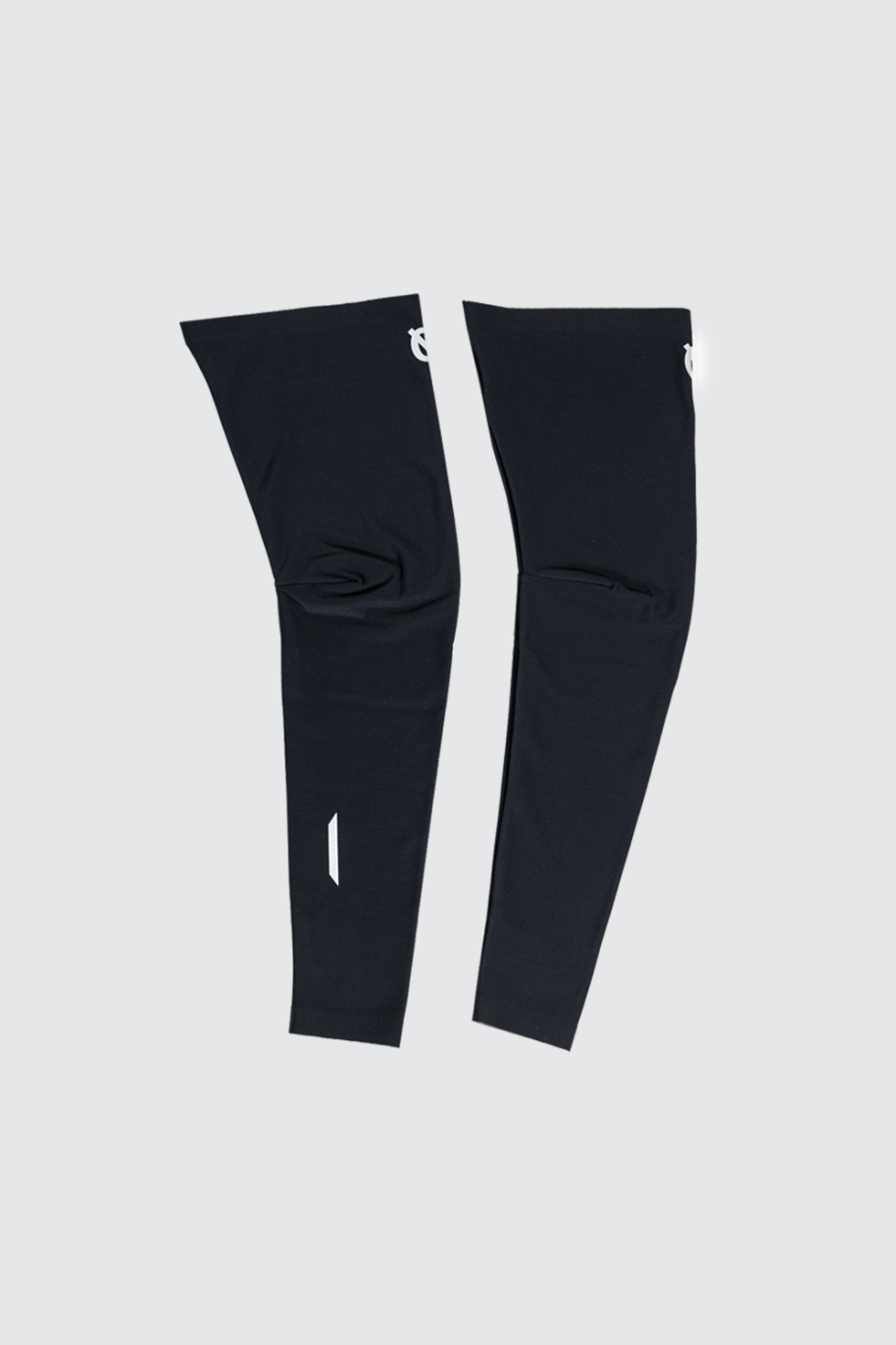
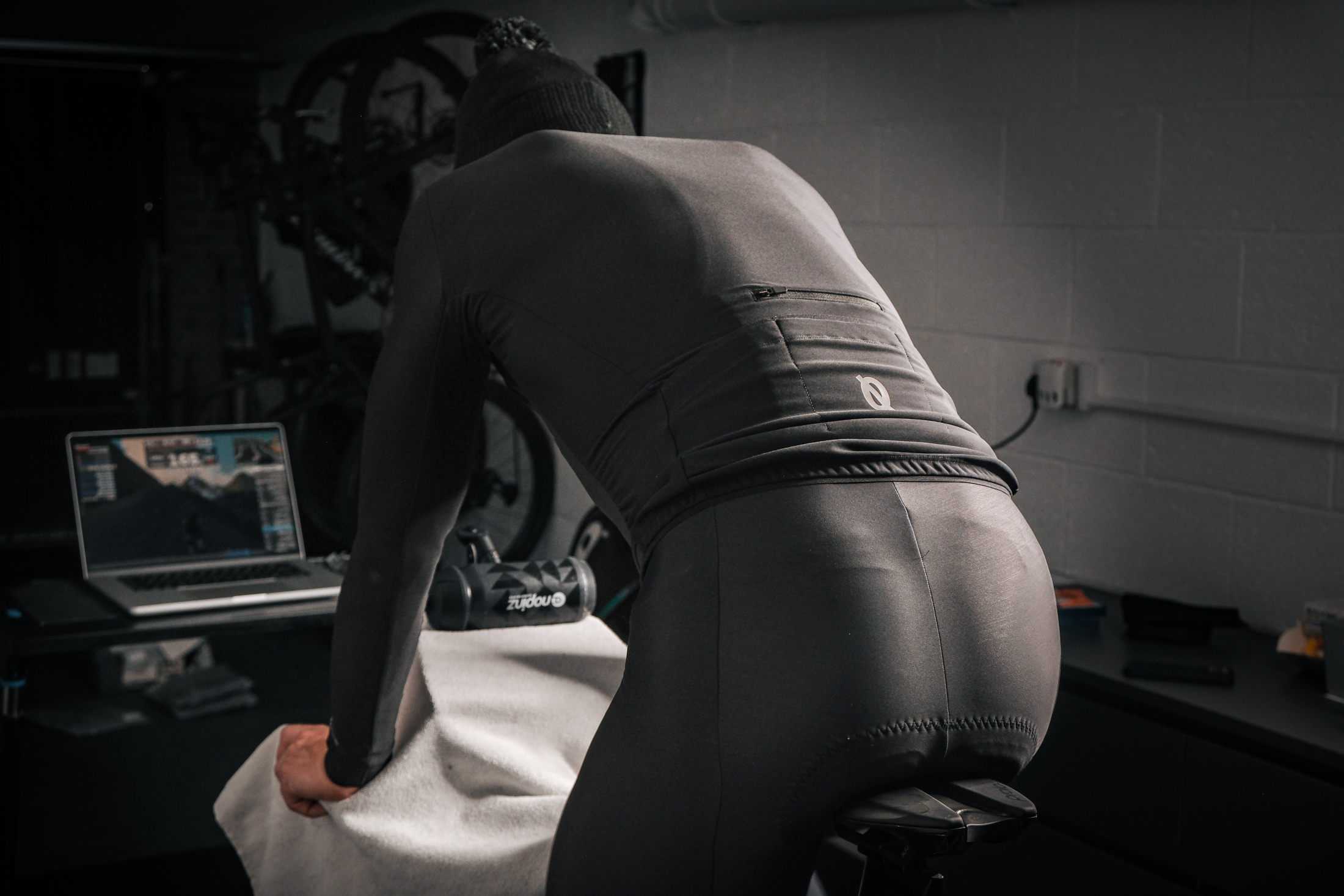
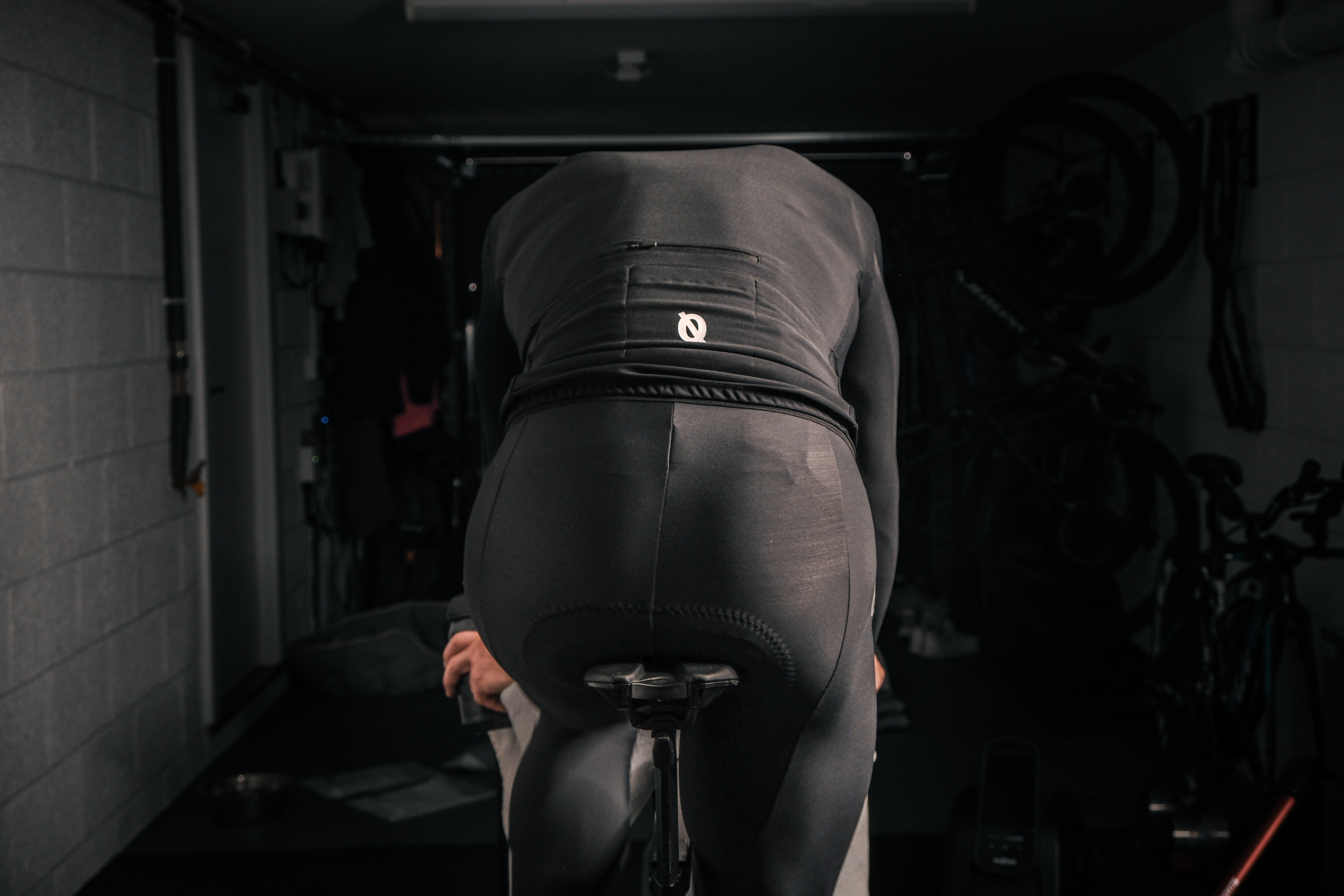
As a high-performance example, that’d mean swapping out indoor-excelling Nopinz Subzero women’s or men’s bib shorts for warmer Nopinz Endurance Nero women’s or men’s bib tights. Complement with a Nopinz winter base layer, a Roubaix jersey and even a top-notch jacket to create your own hot wardrobe. Or you can go all Beer and switch things up to the next level.
“I’ve heat trained with a similar sartorial set-up but complemented further by thick gloves, beanie and a swim cap. It sounds absurd but you’re really trying to heat up. Even Dan Bigham didn’t do that.” Beer jokes.
Many of you will know of Bigham. The British rider/cycling engineer, who’s recently moved from Ineos Grenadiers to Red Bull-Bora-Hansgrohe, broke the hour record in August 2022 with a startling 55.548km around the Tissot Velodrome in Switzerland. (He held it for just two months before then teammate Filippo Ganna raised it to 56.792km around the same Grenchen circuit.) Heat training proved an important component of Bigham’s build-up including many sessions on the indoor trainer dressed in a painter’s suit (which is a method Ronnestad mimicked in his 2022 study). It clearly paid off. You can find out more about Bigham’s preparations here with Bigham’s pedalling painter set-up around four minutes in.
If you do go for full winter wardrobe, topped up by B&Q’s finest paint protection, monitor how you’re feeling, says Beer. As ever, you should be as committed to your health as your performance. He also says that you’re looking at three to five ‘hot’ sessions a week to benefit, for around 45 to 75 minutes a go. In Ronnestad’s study, he started with five sessions a week but reduced to three for maintenance purposes.
“Intensity of session is important, too,” says Beer. “When I rode in that swim-cap set-up, I aimed for two hours but bailed at 80 minutes. I was trying to stick at 180 watts and I couldn’t. It should have been more like 130 or 140 watts. When the professionals heat train, you’re looking at around 50-55% of FTP. As for heart rate, you’re probably starting at around 60% of your maximum. Try not to overdo it but you’ll often naturally reach around 80% of maximum, if not slightly more. Ultimately, it might feel easy to start with, but the heat really is a challenge; that said, we also know you don’t need to train in the heat until you faint to enjoy the gains!” And as you’d expect, you should hydrate proficiently before, during and after.
Heat Training for Runners
Does the criteria change for running? Not necessarily if you’re a triathlete, as you can hit your indoor trainer. Or you might be a runner who cross-trains with an indoor trainer. But if you’re looking to heat train when running in chillierclimes, again it is possible without breaking the bank, especially as runners are often naturally cool customers.
“Runners often underdress,” says Beer. “It’s 5°C and they’re in shorts and singlet. You don’t see the professionals do that. When they train, they overdress if anything. I’ve always said that the first rule of Fit Club is 80% of training should be easy, 20% hard. Second rule of Fit Club is never get cold. It ties in with the first rule. If you underdress and are cold, you must run harder to keep warm, meaning you’re straying from zone one, which will be too hard for most of the endurance training you need.”
“So, make sure you wear your winter wardrobe,” Beer continues. “Base layer, tee, jacket, beanie, gloves, leggings. Maybe more clothes if you see fit. Then again, if you’re a runner, you’re probably a little more heat trained and acclimated already compared to a cyclist. When you run, you don’t endure the wind chill that you do from the speeds on the bike.”
Beer’s monitored both his bike and run training using a Core body-temperature sensor and observed how running sends your core rising much faster than cycling. This, he says, results in physiological ups and downs.
“On one hand, you’re naturally enjoying myriad benefits of heat training. On the downside, you can endure gastro distress. There’s such a thing as runner’s trots but not cyclist’s trots. Runners suffer from diarrhoea because of a sharp rise in core temperature. This affects the gut wall. That’s why I’ve long recommended colostrum [first milk produced by the mother after birth] as it rebuilds the gut wall.”
It’s certainly something to monitor on hot run sessions, for both your health and dignity. As for frequency, again you’re looking at thrice weekly of between an hour and two hours.
The High Tech and Low Tech
Like any training mode, you can make it as complex as you see fit. Beer’s use of Core stemmed from the Norwegian triathletes who rewrote the Ironman racebook. “I remember watching Gustev [Idan] and Kristian [Blummenfelt] and they were constantly looking at their watches,” he says. “That’s because it displayed their core temperature. They knew if they were to reach a certain temperature, it was game over. It’s not depletion of glycogen or high lactate levels, a rise in core can be much more destructive. Whether you should use one remains to be seen. They offer some interesting feedback but they’re not totally necessary.”
Another more parochial strand to the heat-training protocol is the hot bath. Research reveals that having a hot bath straight after exercise in “normal” temperatures realises a heat-friendly adaptation. More specifically, professor Neil Walsh showed that moderate exercise immediately followed by a 15-miniute bath in 40°C waters over six days where bathing time rose by five minutes each day resulted in a 4% improvement in 5km time-trial time in the heat. What caused the improvement remains unclear but it’s likely the joint elevation of core body temperature and skin temperature. A post-exercise hot bath’s also mooted to improve cardiovascular function, glucose regulation and boost immunity.
“The problem is, it’s damn impractical,” says Beer. “You’ve got to train and ensure there’s a bath waiting for you at 40°C. The bath then loses heat quickly because of the high surface area. It’s also incredibly uncomfortable. I’ve done it and sitting in those temperatures when your core is already high from exercising, I’m unsure how sustainable that is.”
Cooling the Harder Efforts
It’s clear, heat training works. It’s also clear that when it comes to key high-intensity training or racing sessions, this scenario flips on its head. Now you’re looking to stay cool. Now, heat’s more of an enemy.
Thankfully, there is an array of cooling, peak-performing defences at your disposal. First up, clothing. This is where Nopinz’s SubZero range of garments comes in. Graphene-enhanced cooling fabrics with tactically located FreezePockets between the shoulder blades and the lower back actively reduce your core temperature, ensuring you maintain peak power output. The gear looks damn sharp, too.
“Also, have fans front and back,” says Beer. “You sweat a lot on your back and if it just sits there, it doesn’t dissipate so heat loss is impaired. You can also go full-on WorldTour and have your ice slushie or super-cold drink right beside you.”
This slushie idea’s been used by the likes of Team DSM (Team Picnic PostNL from 1 January 2025) for years, adapting work undertaken by the Australian Institute of Sport in the build-up to the very hot 2008 Beijing Olympics. Renowned nutritionist Louise Burke discovered that athletes drinking 700-1,000ml of an ice slushie made by Gatorade realised a core drop of 0.5°C. After a 30-minute warm-up, that 0.5°C reduction remained.
Burke also added glycerol to the slushie to improve fluid retention as studies had shown that consuming glycerol could retain up to 50% more fluid than water alone. WADA (World Anti-Doping Agency) was convinced of its merits and banned the use of glycerol in 2010 due to its ‘plasma-expanding’ qualities. The ban was lifted in January 2018.
If you do invest in a slushie maker for maximising your indoor races, just note that to enjoy these benefits involves swallowing the slushie before it’s melted. This cranks up the chances of lowering your core before you start working hard.It can also lead to gastro meltdown so be warned!
“You could also spray yourself with alcohol and water like some going for the hour record have done in the past,” says Beer. “It helps remove heat, albeit it’s arguably a bit extreme even for a Zwift race!
The Hot Takeaways
Where does this leave us? The empirical and anecdotal evidence suggests heat training improves performance in cooler conditions. That’s good news for all levels of athletes but especially amateurs who’d find it impossible to mimic the professionals and altitude train from home. Simply heating up via the basics of clothing choice and removal of fans is a far more appetising prospect than spending several thousand pounds on an altitude tent.
How often should you heat train? As ever, it’s an individual thing. To enjoy the VO2max- and threshold-boosting gains needs a minimum of three sessions a week. Are you likely to do this forevermore? Probably not. So, be judicious to when you heat train, whether it’s in the build-up to a race or as a winter hit for variety and motivation. On the flipside, shedding excess temperatures is your modus operandi if you’re looking to optimise performance in the heat, like an indoor race and high-intensity training.
In fact, things could be best summarised by undertaking your slow base and recovery sessions “staying hot”, complemented by high-intensity efforts whilst “staying cool”.
It’s your call, but be aware that for both strategies, dehydration is the enemy, so keep sipping little and often. And, of course, ensure you’re dressed in the most suitable high-performance gear from Nopinz. Right, time to get your sweat on…
– This post was written by James Witts.
James Witts is a writer who specialises in endurance sport and sports science. He has three books on his palmares including The Science of the Tour de France and Riding with the Rocketmen. He also writes for a broad range of consumer publications including Rouleur, Cyclist, The Observer and 220 Triathlon.